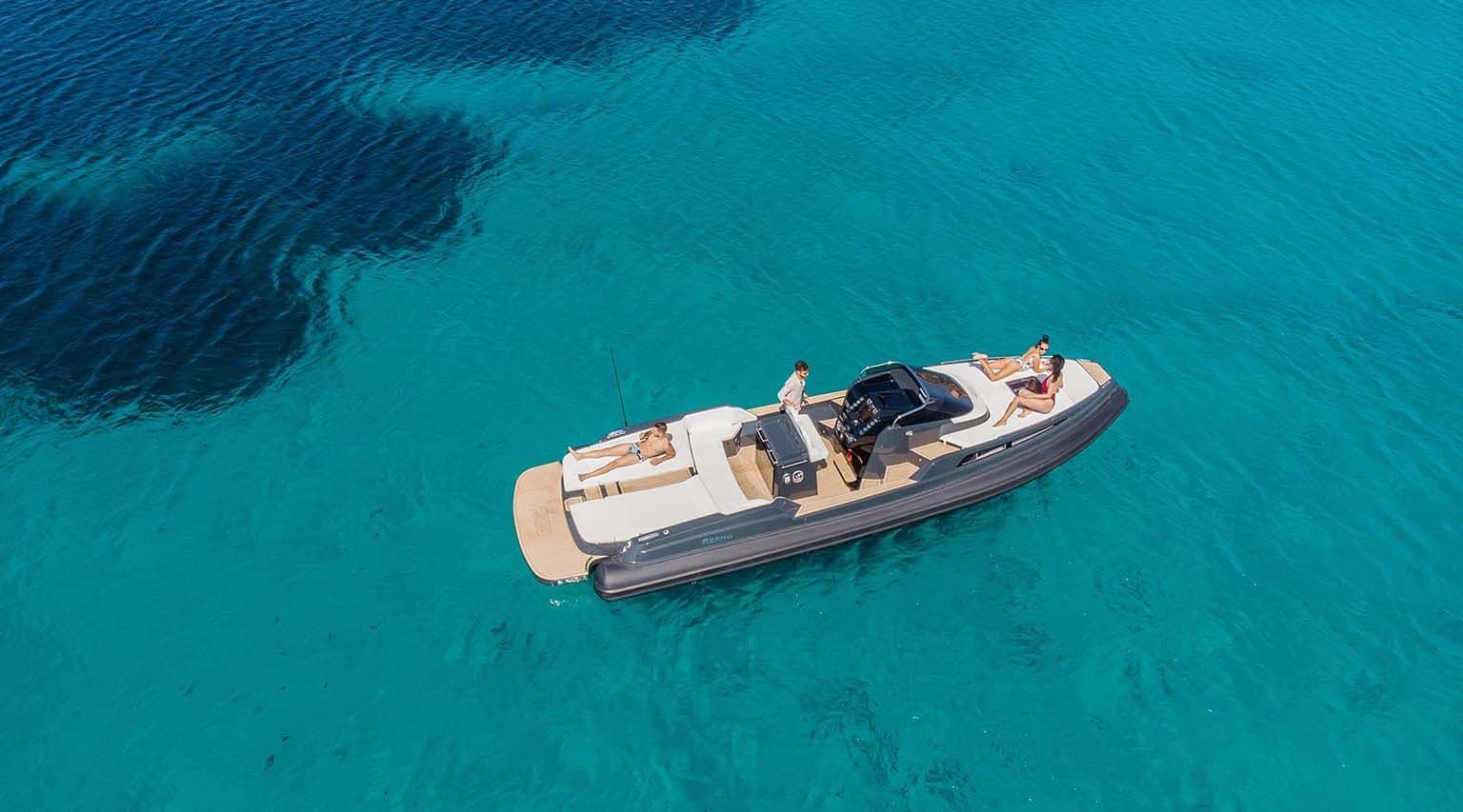
Tour a Favignana e Levanzo n.5 – da Trapani
110,00 € per person
Free cancellation
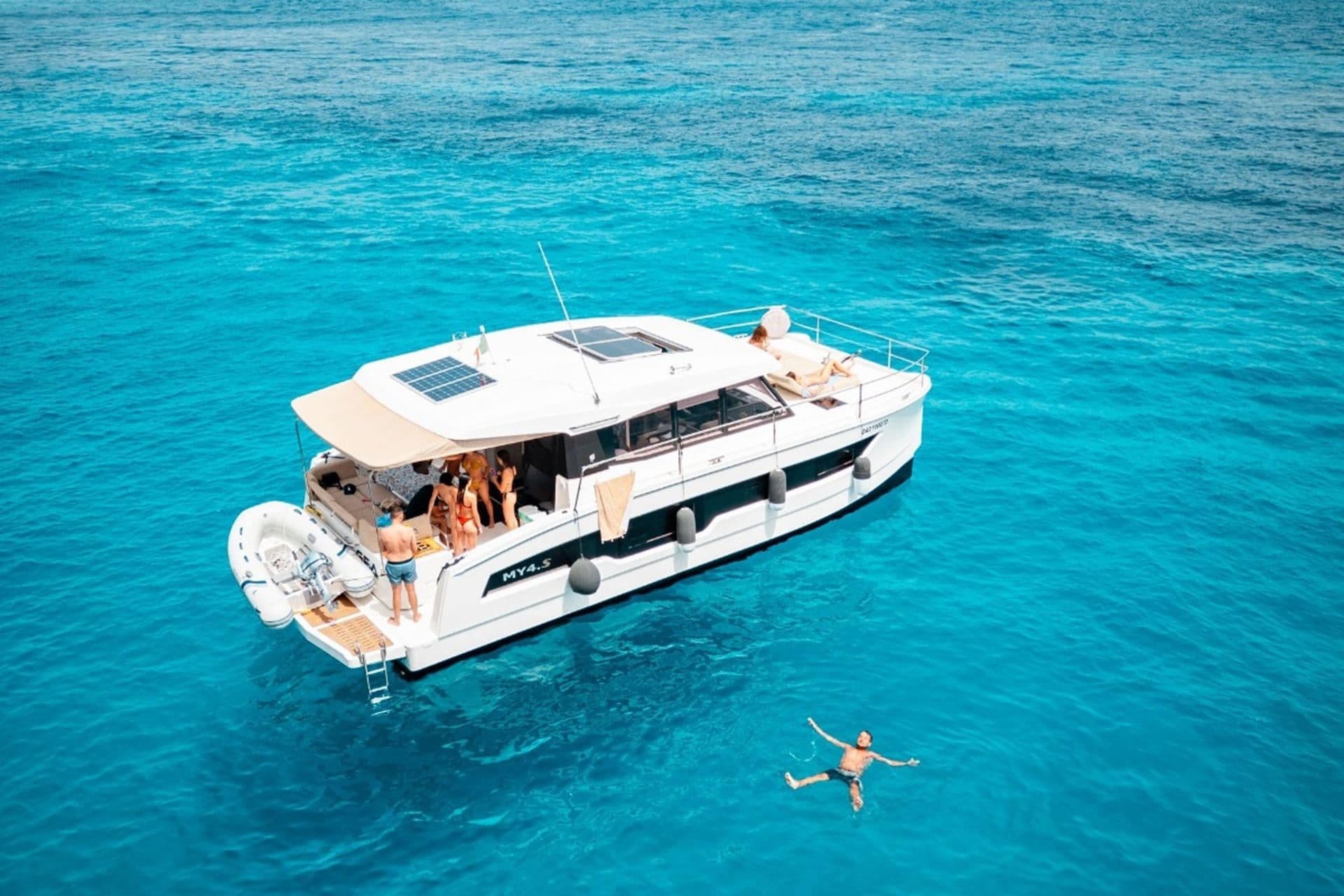
Tour in Catamarano a Favignana e Levanzo n.4
160,00 € per person
Free cancellation
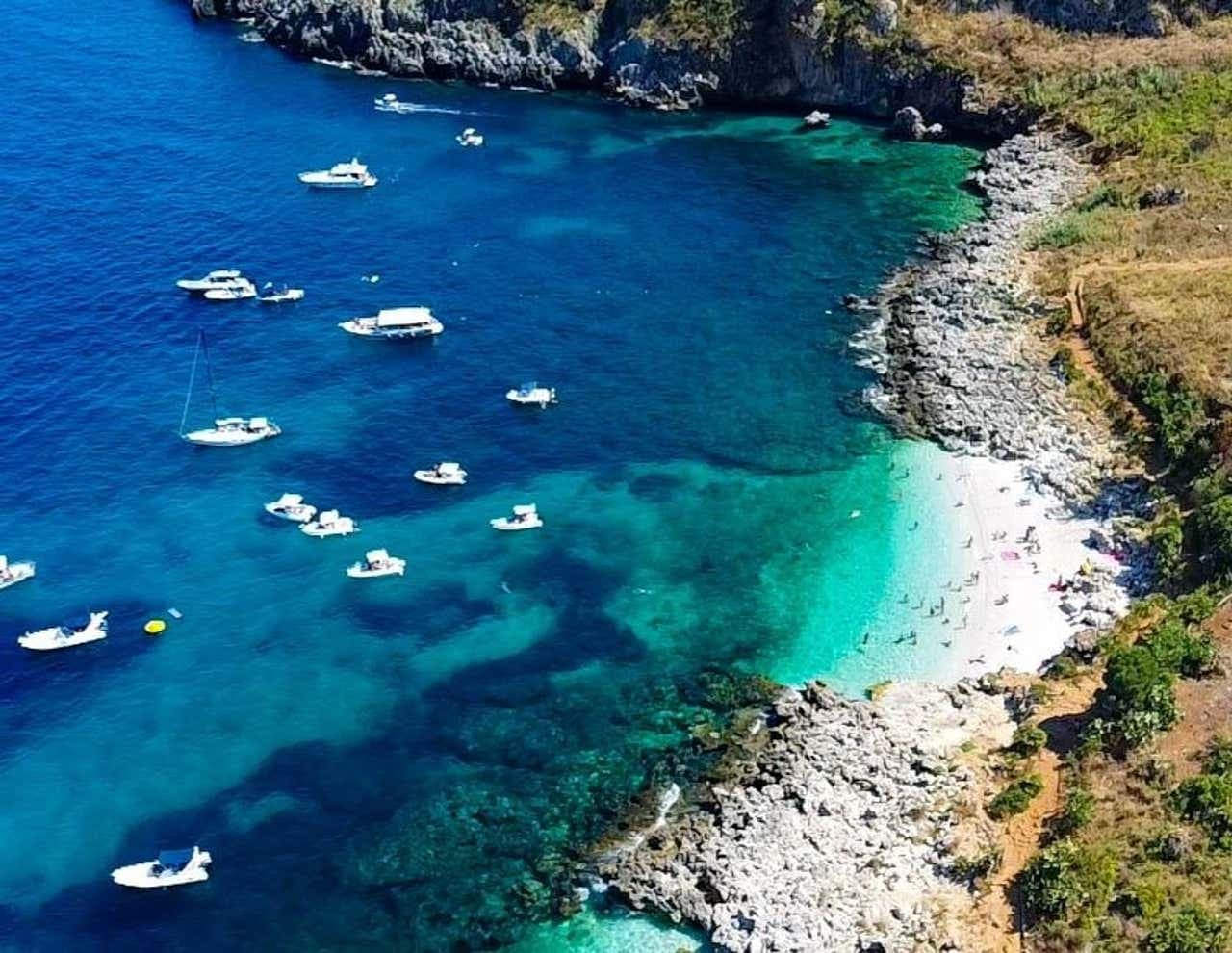
Tour in barca alla riserva dello zingaro - da Castellammare
120,00 € per person
Free cancellation
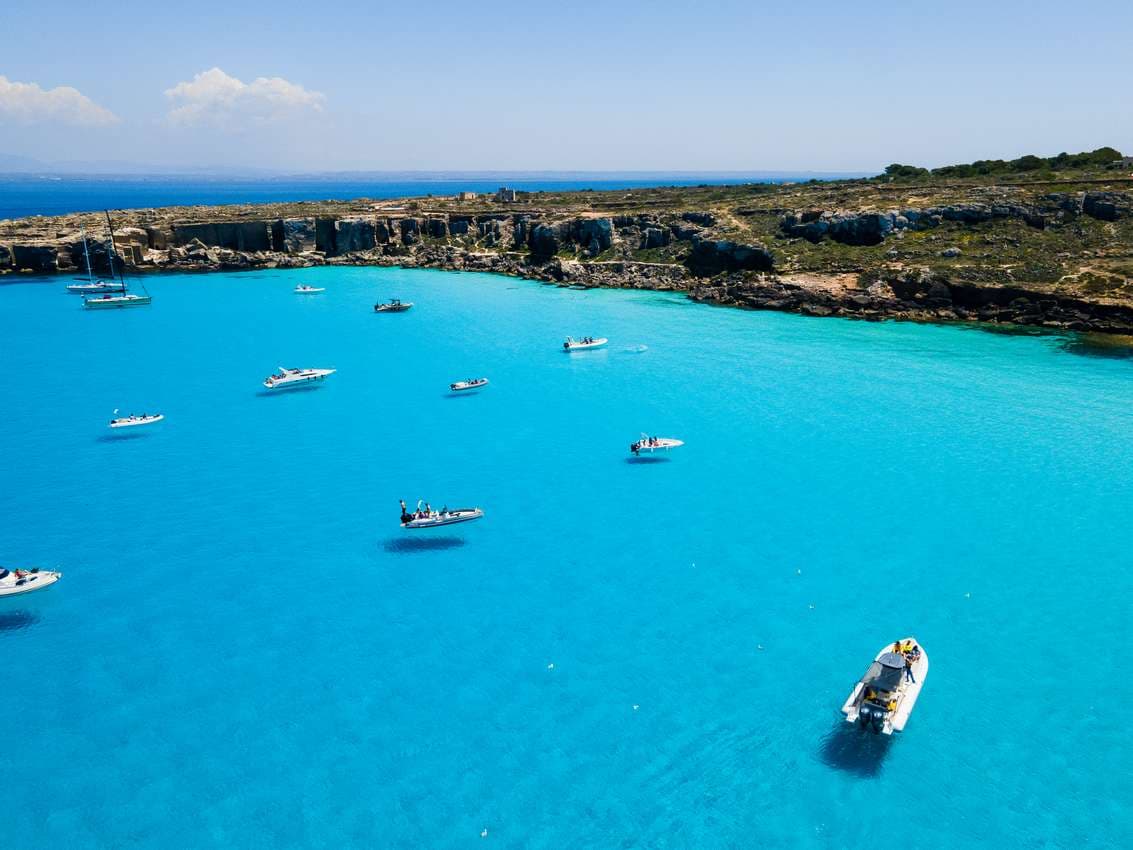
Tour in barca a Favignana e Levanzo n.3 con Pranzo - da Trapani
900,00 € for Barca
Free cancellation
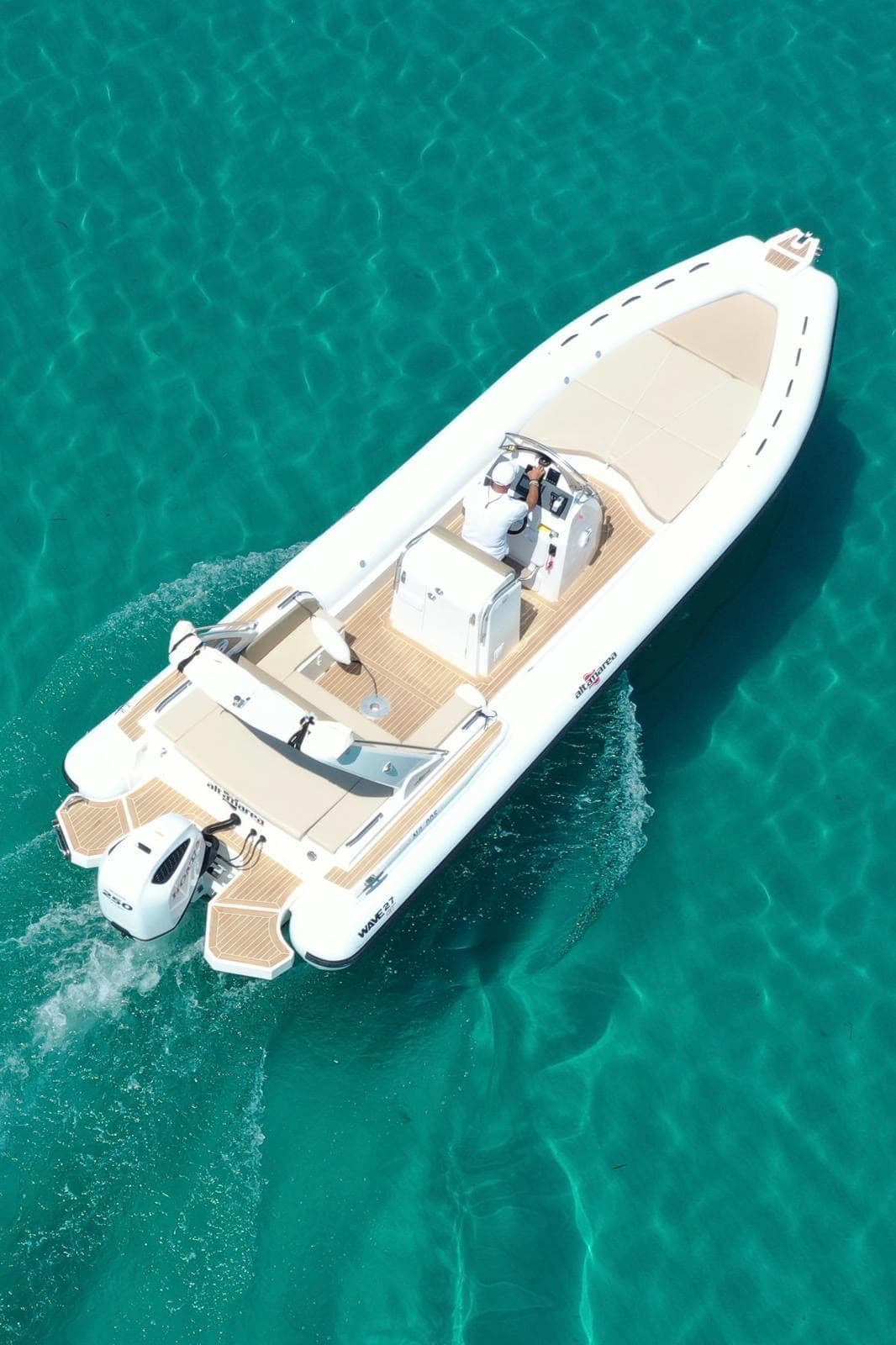
Tour a Favignana e Levanzo n.2 - da Trapani
80,00 € per person
Free cancellation
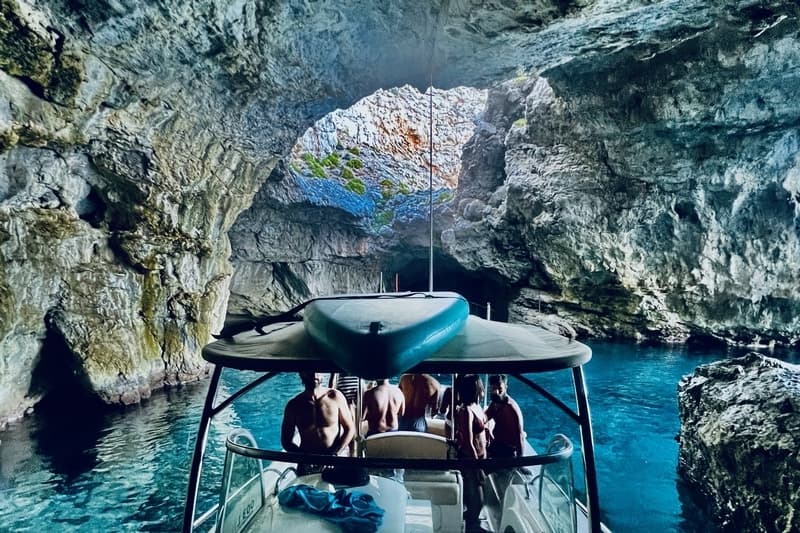
Tour in barca privato a Levanzo e Marettimo da Trapani
1200,00 € for Capelli 900 Luxe
Free cancellation
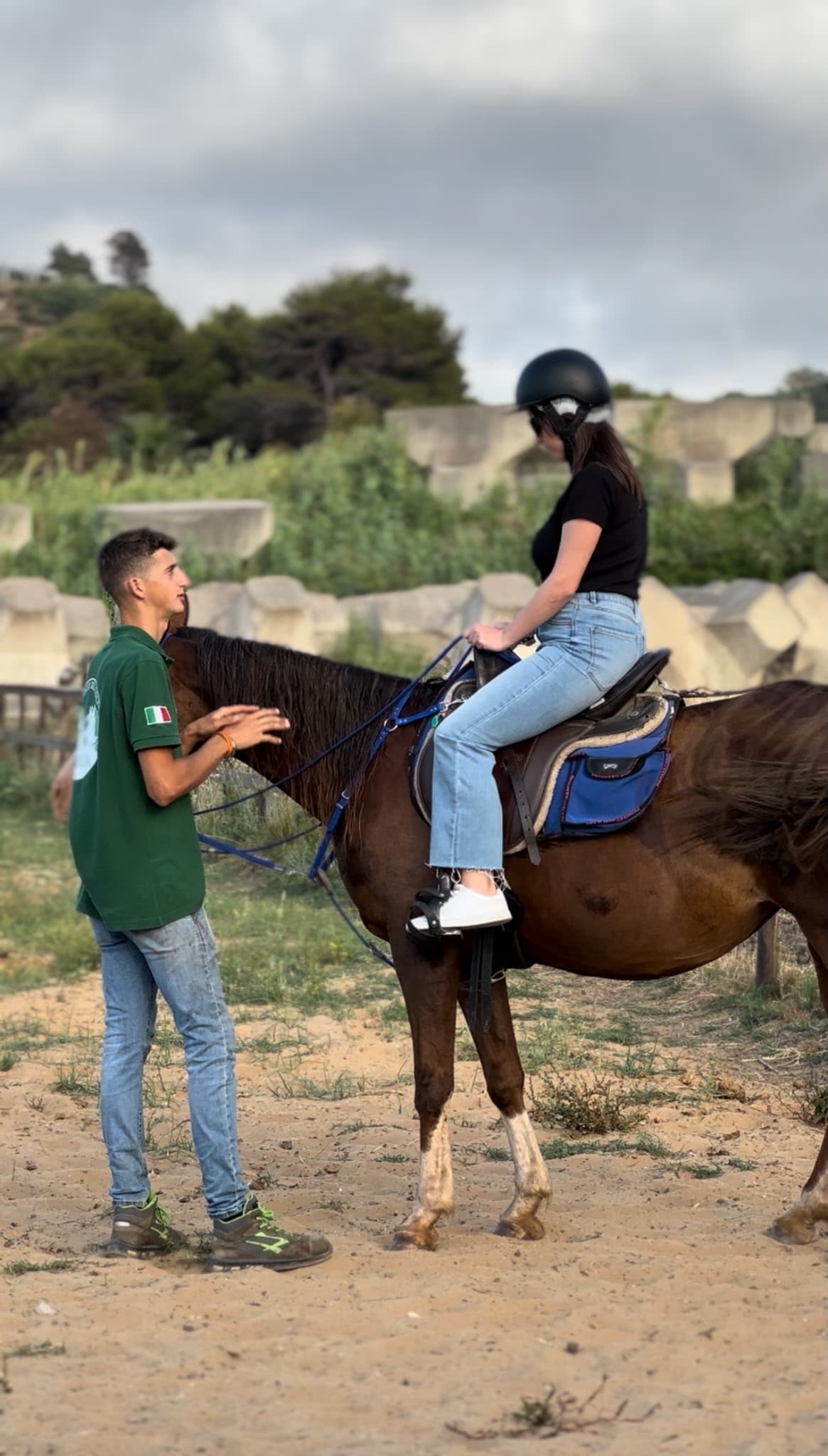
Passeggiata a cavallo sul mare al tramonto - Castellammare del Golfo
60,00 € per person
Free cancellation
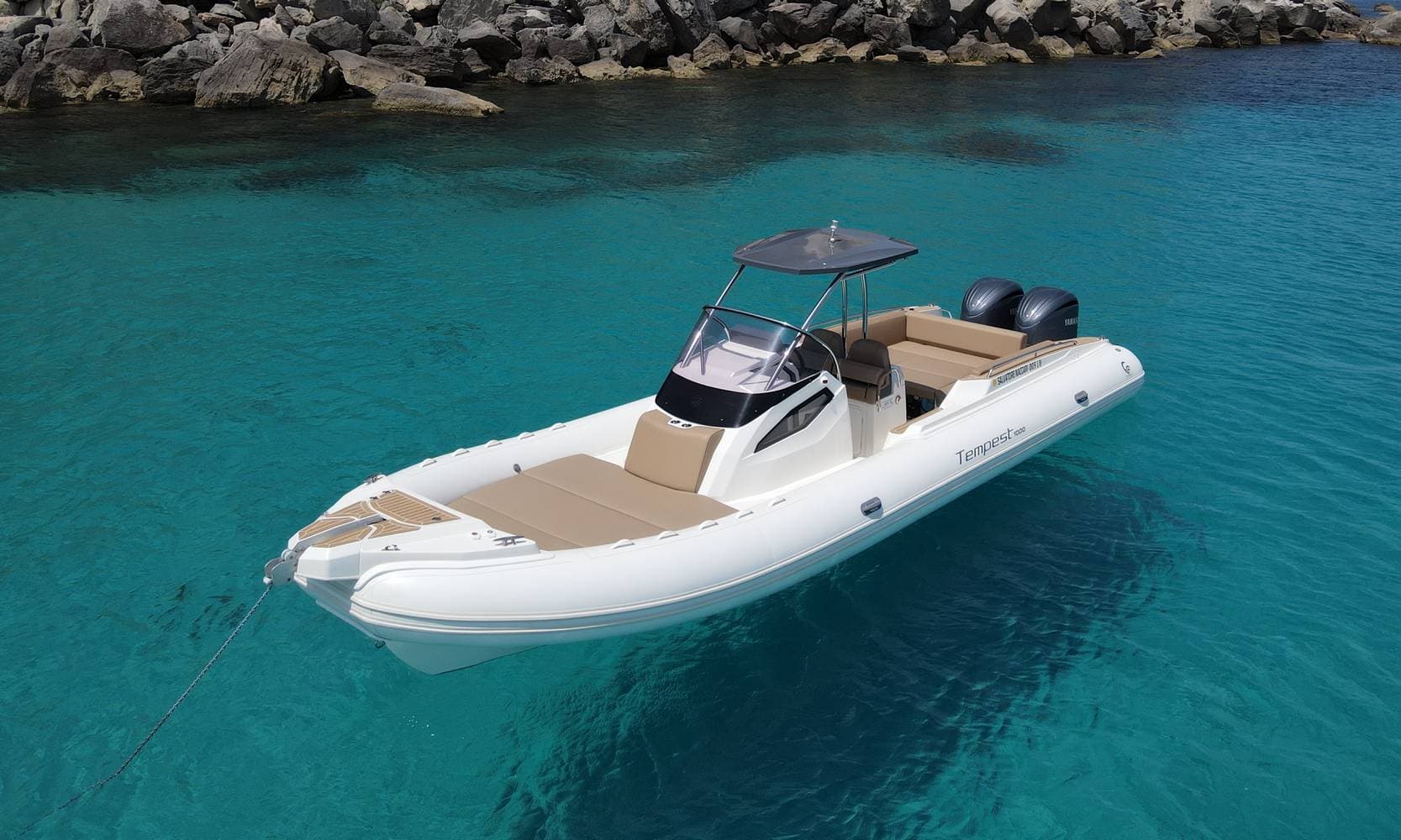
Tour in barca Privato a Favignana e Levanzo, Capelli 1000 – da Trapani
1200,00 € for Capelli Tempest 1000
Free cancellation
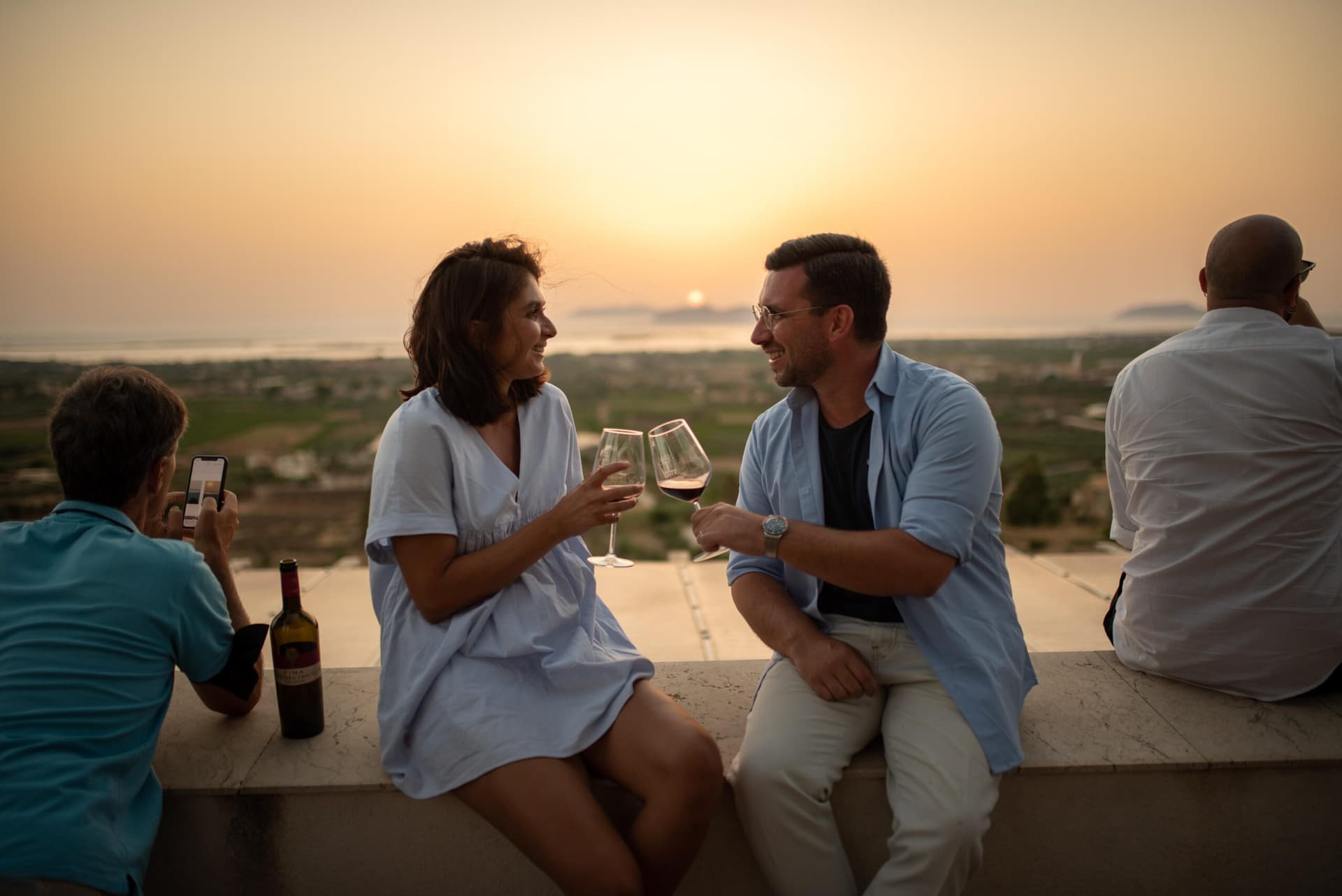
Visita ai vigneti di Cantine Fina con degustazione – Marsala
30,00 € per person
Free cancellation
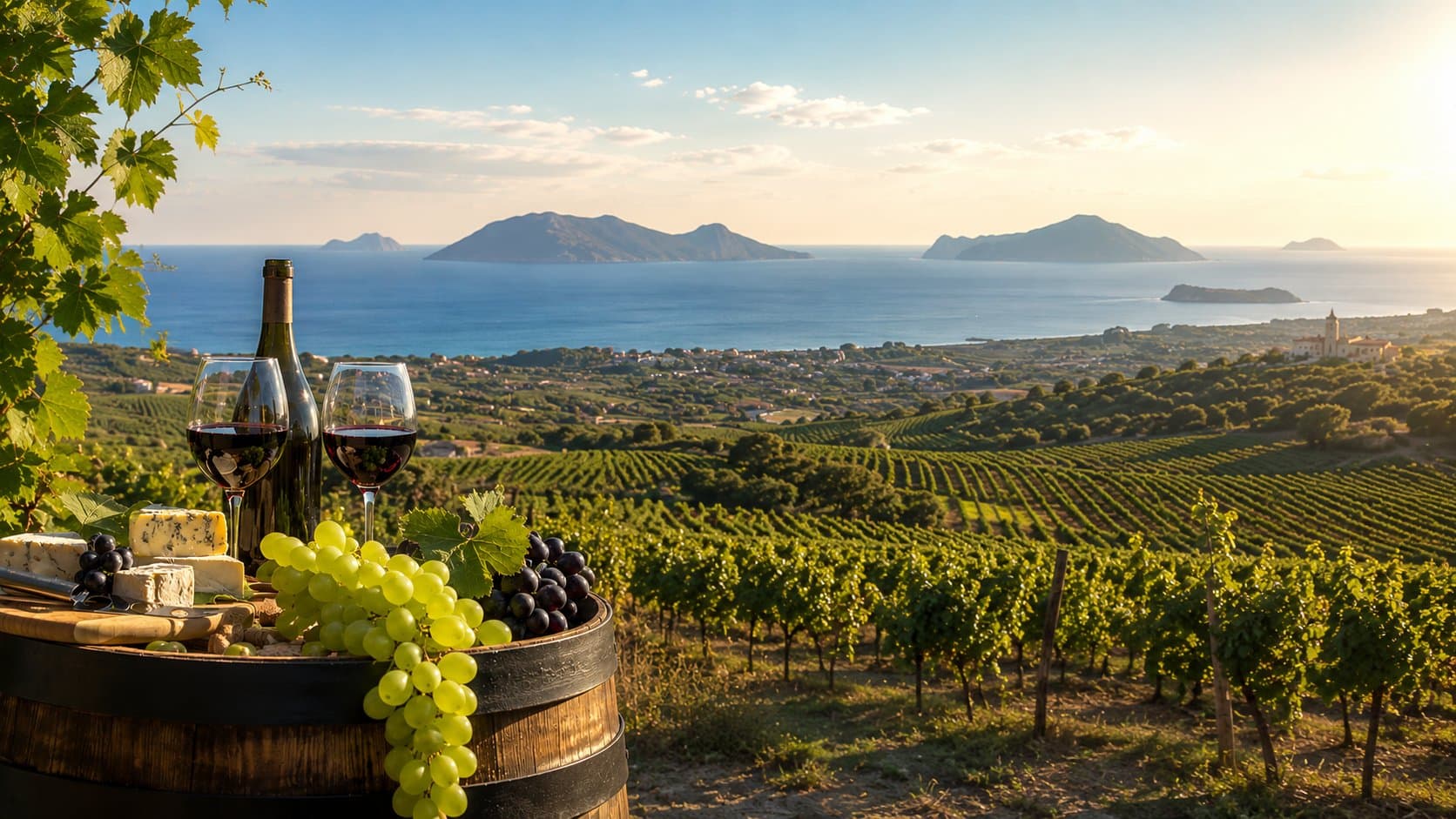
Visita ai vigneti con degustazione di vini e tagliere tipico – Salemi
50,00 € per person
Free cancellation
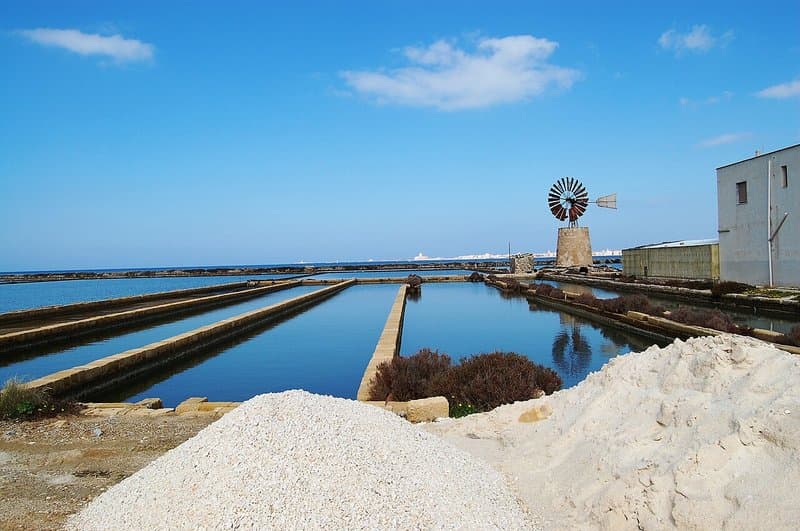
The Trapani Salt Pans are a WWF nature reserve along the Via del Sale between Trapani and Marsala, where Phoenicians and Arabs have been harvesting sea salt in evaporation basins since 1200 BC. A surreal landscape of pink basins, white mounds, and ancient, still-functioning windmills. The Nubia Salt Museum documents age-old techniques. At sunset, the reflections on the water create a unique spectacle. A habitat for pink flamingos, herons, and black-winged stilts in spring and autumn.
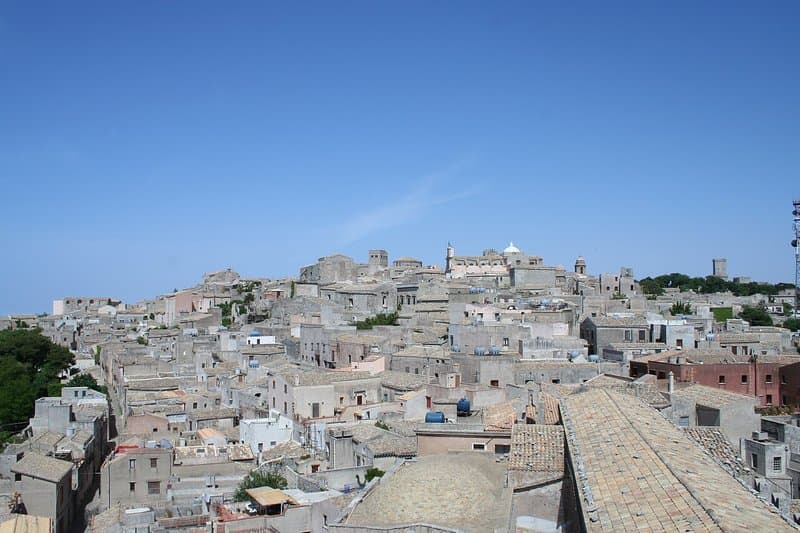
Erice is a medieval village perched 750 meters above sea level on Mount Erice, reachable from Trapani by a panoramic cable car in 10 minutes. It retains its Norman charm, with cyclopean walls, herringbone cobblestone alleys, over 60 churches, and the Castle of Venus, built on an ancient temple dedicated to the goddess. Breathtaking views of the Egadi Islands and all the way to Tunisia on clear days. Famous for the almond pastries of the Maria Grammatico pastry shop. A magical atmosphere among the clouds.
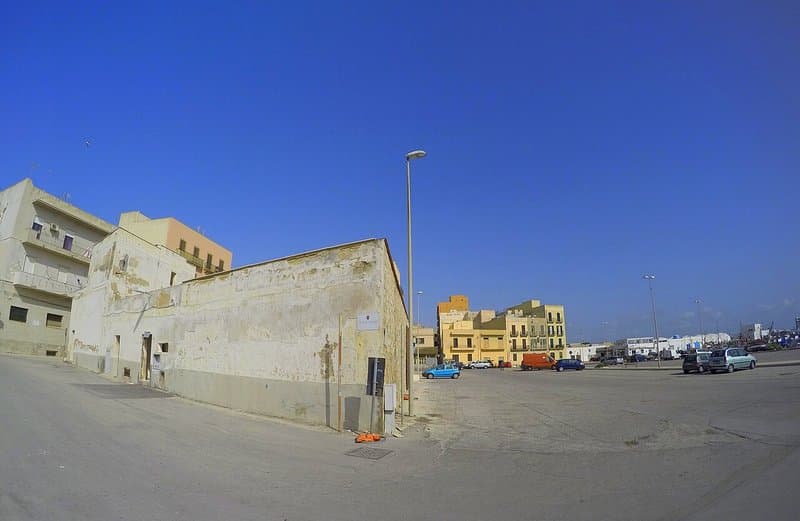
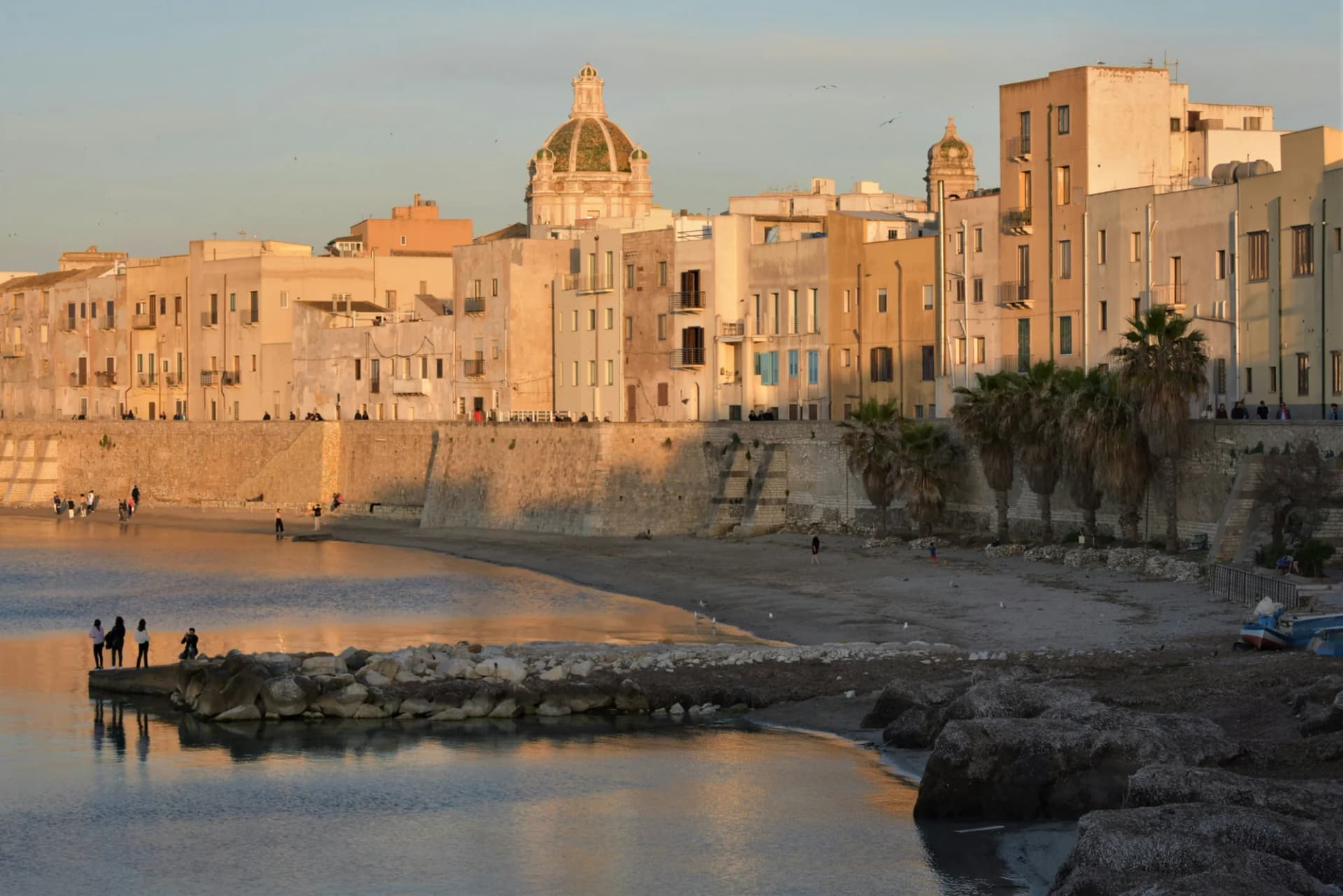
Trapani's historic center extends along a thin, sickle-shaped peninsula jutting into the Mediterranean between the Tyrrhenian Sea and the Strait of Sicily. A maze of baroque streets, it features the Cathedral of San Lorenzo, the Palazzo Senatorio, and the Church of Purgatory, home to the Mysteries of Trapani, 17th-century wooden statues featured in the Good Friday Procession, among the oldest in Europe. A scenic waterfront, a marina, and the Torre di Ligny at the tip. Sunset aperitifs overlooking the Egadi Islands.
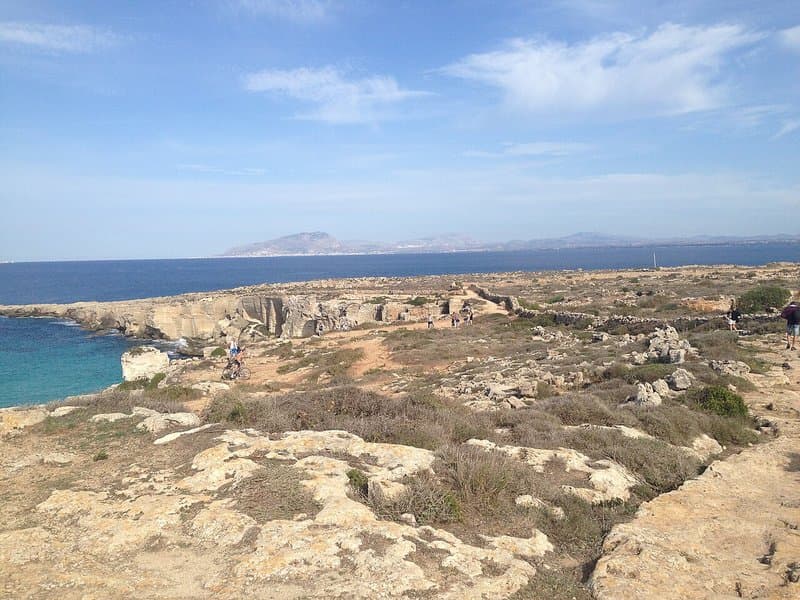
The Aegadian Islands are Italy's largest archipelago, reachable from Trapani in a 30-minute hydrofoil ride. Butterfly-shaped Favignana is famous for its tuff quarries, the Florio tuna fishery, and Cala Rossa with Caribbean-like waters. Levanzo, the smallest, is home to the Genovese Cave with prehistoric cave paintings. Marettimo, the wildest, is a paradise for hiking, sea caves, and snorkeling. It's the largest Marine Protected Area in Europe. Dreamy beaches and locally sourced seafood restaurants.
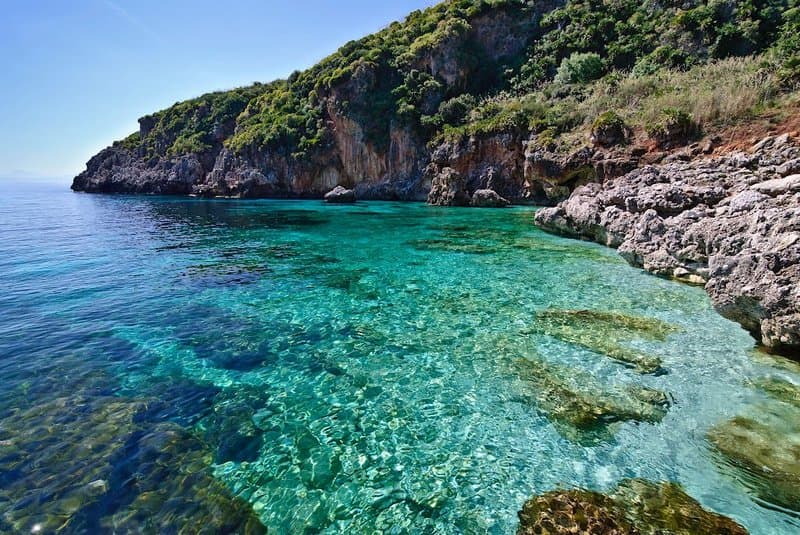
The Zingaro Nature Reserve, established in 1981, is Sicily's first nature reserve. It extends for 7 km of pristine coastline between San Vito Lo Capo and Scopello, 40 km from Trapani. Seven white pebble beaches and hidden coves with crystal-clear waters accessible only on foot: Cala Tonnarella, Cala Marinella, Cala Beretta, Cala dell'Uzzo, and Cala Capreria. Hiking trails through Mediterranean scrub, olive groves, and prehistoric caves. A paradise for snorkeling and diving.
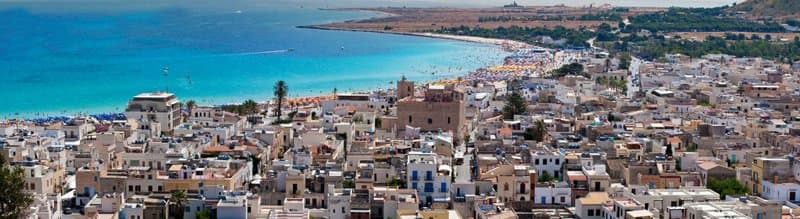
San Vito Lo Capo is the most famous beach in western Sicily, 40 km from Trapani beneath the Monte Monaco promontory. A 3 km crescent of fine white sand lapped by clear turquoise water, it has been named one of Europe's best beaches. A seaside village with the characteristic fortified Sanctuary of San Vito, it hosts the Cous Cous Fest in September, an international Mediterranean cuisine festival featuring chefs from around the world. An ideal base for visiting the Zingaro and Scopello.