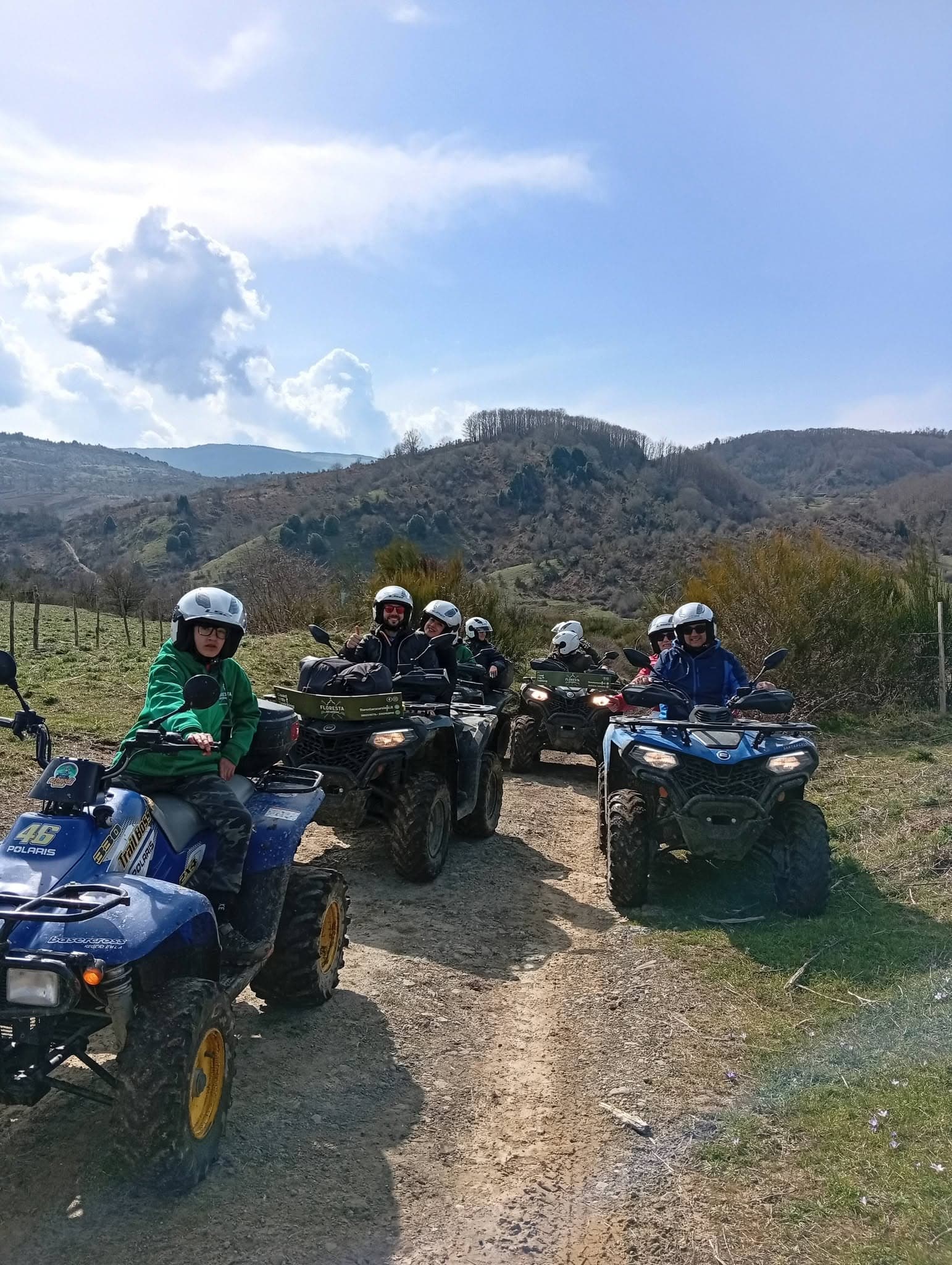
Tour in quad 4x4 sui Nebrodi (max 2 persone) - da Floresta
120,00 € for Quad 4x4
Free cancellation
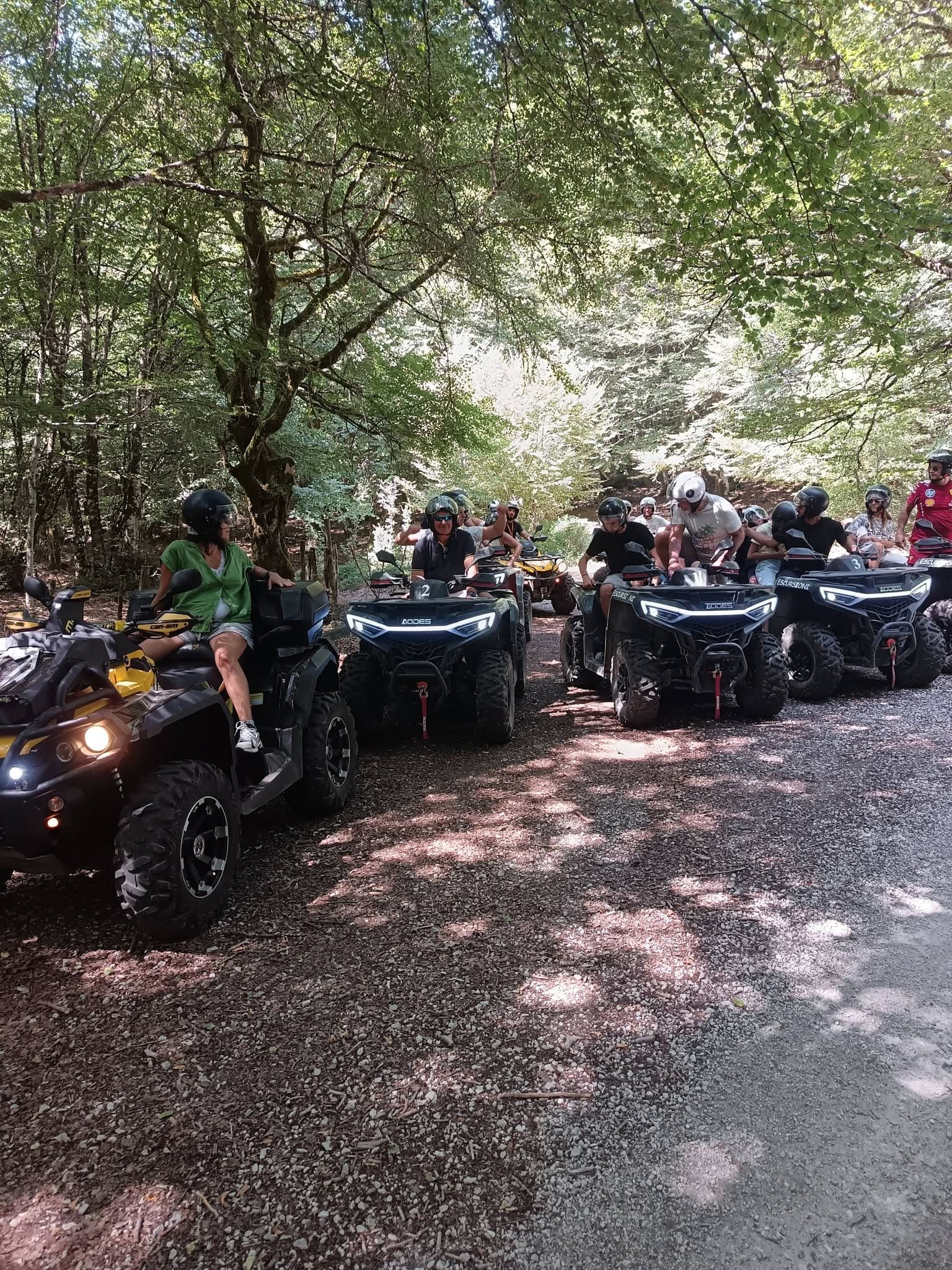
Tour in quad 4x4 sui Nebrodi (max 2 persone) - da Cesarò
180,00 € for quad 4x4
Free cancellation
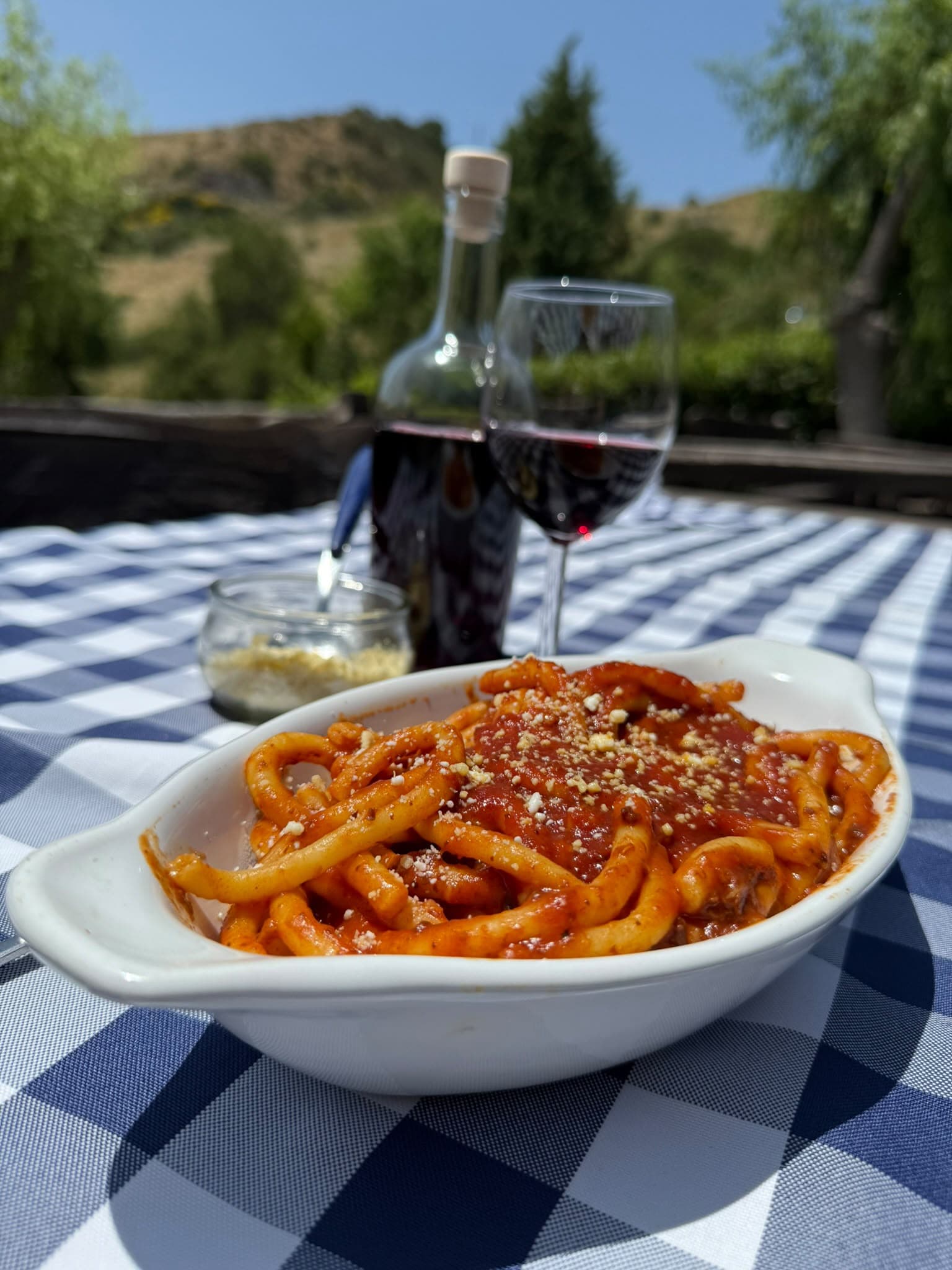
Menù agriturismo specialità suino nero dei Nebrodi - Cesarò
35,00 € per person
Free cancellation
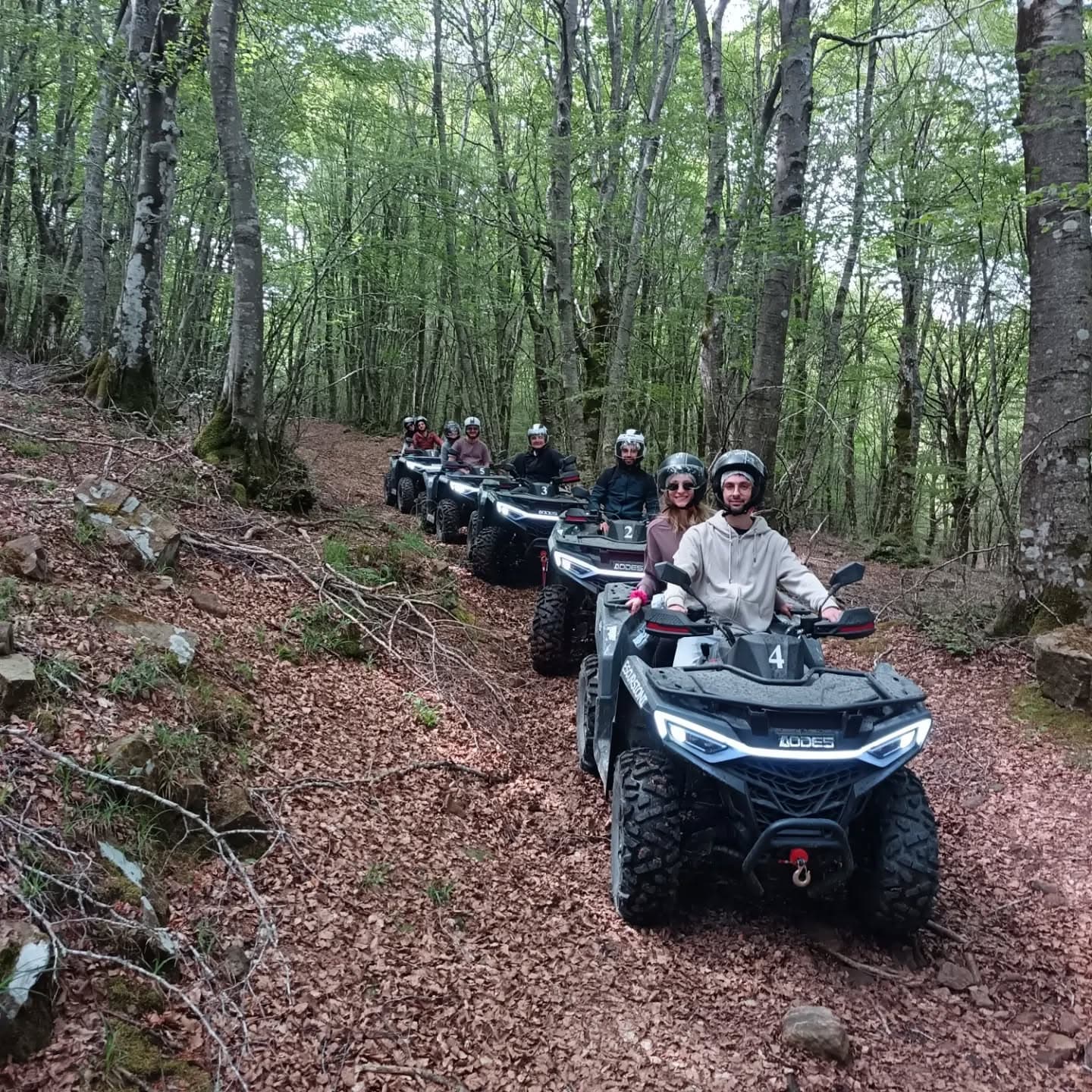
Tour in quad 4x4 sui Nebrodi (max 2 persone) - da Cesarò
140,00 € for Quad 4x4
Free cancellation
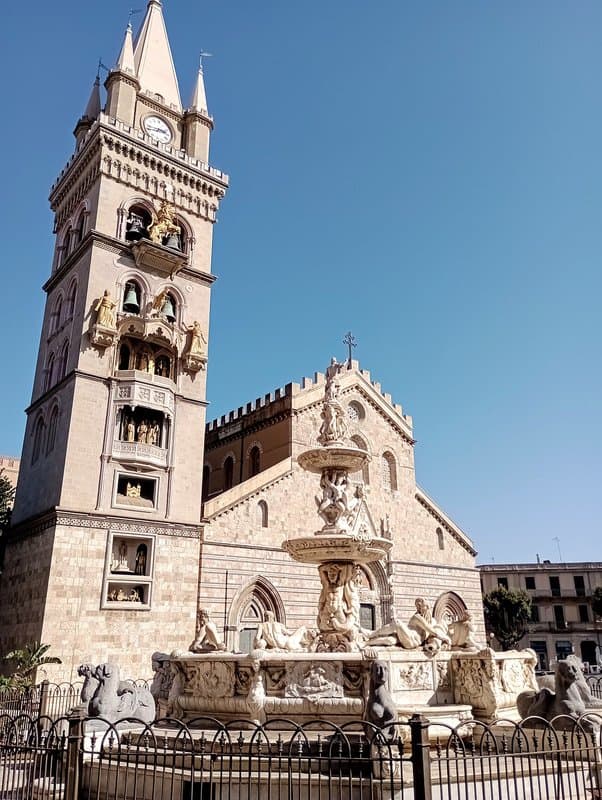
Messina Cathedral is the Norman cathedral founded in the 12th century by Roger II and rebuilt after the 1908 earthquake and the 1943 bombings. It retains its original Gothic portal, royal tombs, and Byzantine mosaics. In Piazza Duomo stands the 60-meter-tall bell tower, home to the world's largest mechanical astronomical clock, built in 1933. Every day at noon, a display of automatons takes place: a roaring lion, a crowing rooster, and processions recalling Messina's history.
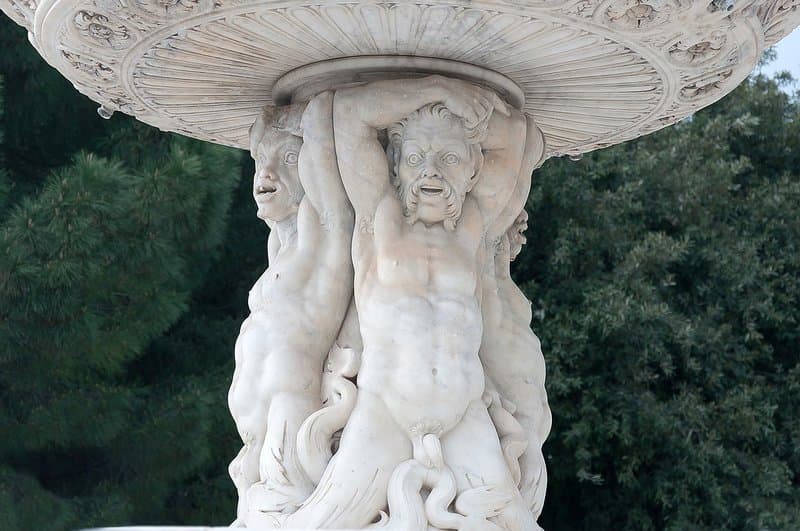
The Fountain of Orion is considered the most beautiful fountain of the Italian 16th century, created in 1547 by the Florentine sculptor Giovanni Angelo Montorsoli, a pupil of Michelangelo. Located in Piazza Duomo next to the cathedral, it celebrates the inauguration of Messina's first aqueduct. A four-tiered composition with allegorical statues of the Nile, Tiber, Ebro, and Camaro rivers, surmounted by the mythical Orion, the legendary founder of Messina, and his dog Sirius. It escaped the 1908 earthquake.
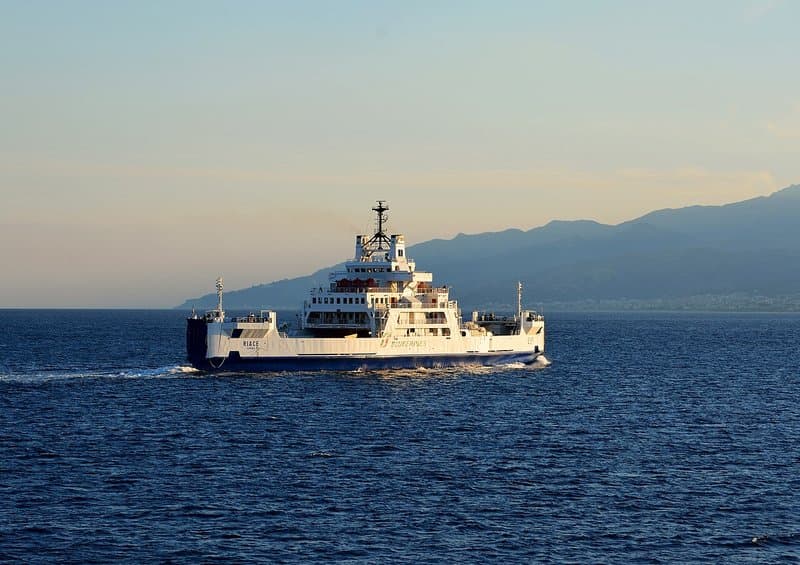
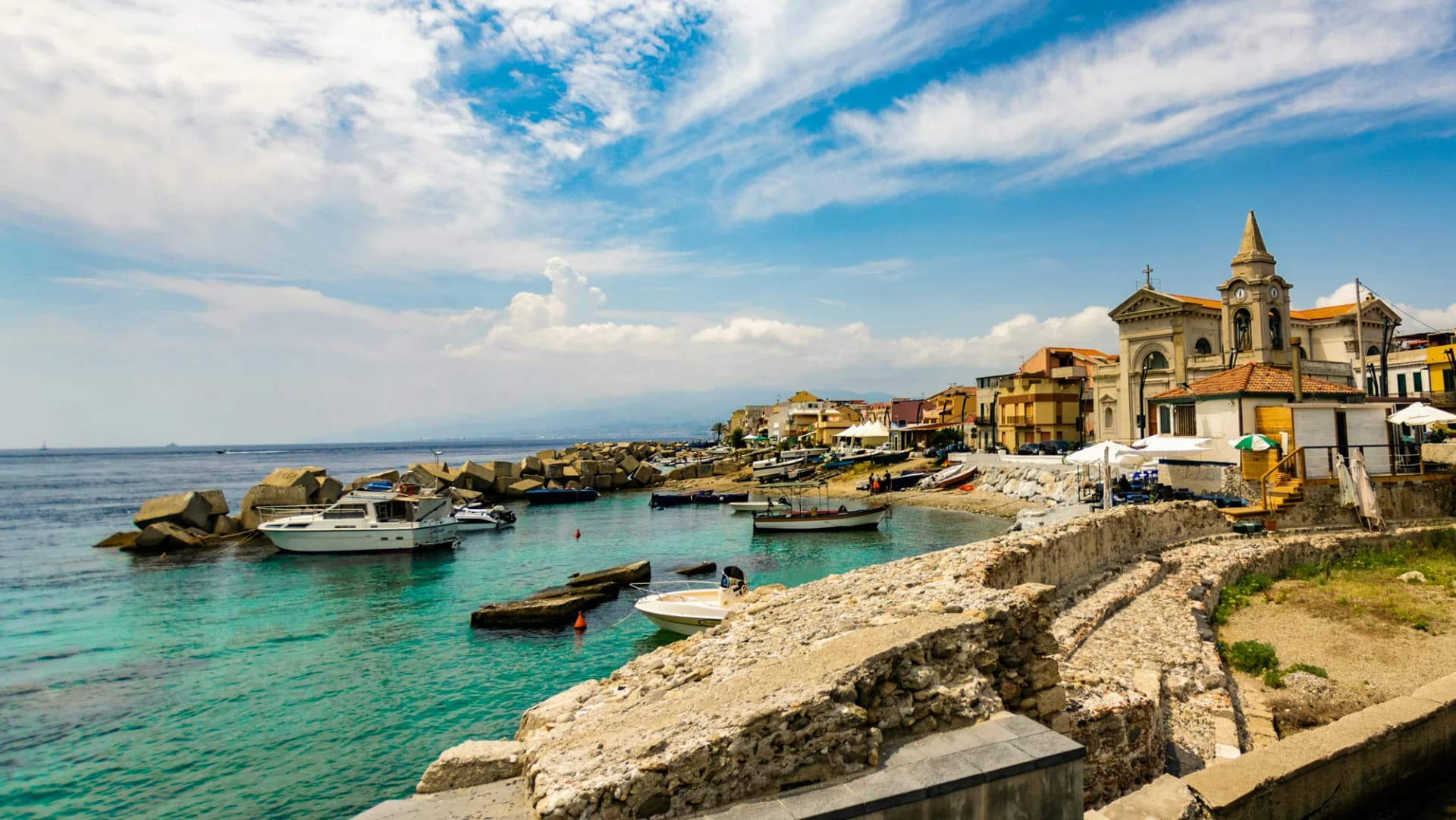
The Strait of Messina is the narrow, 3-kilometer stretch of sea separating Sicily from Calabria, crossed daily by ferries and hydrofoils. Homer narrated this spot in the myth of Scylla and Charybdis, the sea monsters that threatened Ulysses. From Messina, you can admire the view from the Madonnina del Porto, Forte Gonzaga, or the Sanctuary of Christ the King. The currents, dolphins, and the Fata Morgana phenomenon are spectacular. Unique sunsets overlooking the Aspromonte Mountains are available, and you can visit both shores.
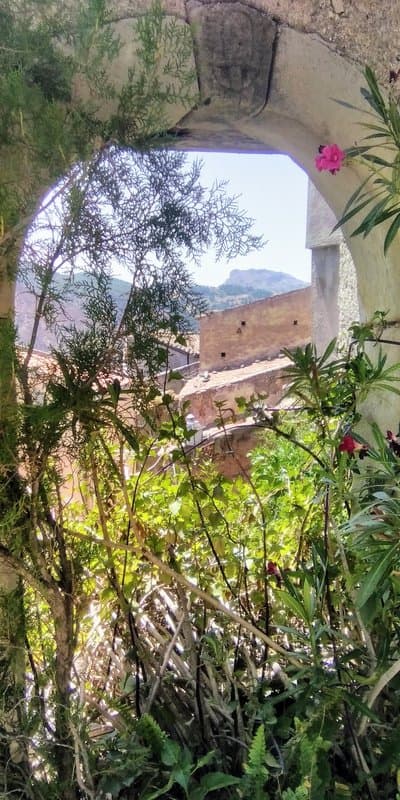
A short distance from Messina are Taormina and the villages of the Valle d'Agrò, made famous by Francis Ford Coppola's The Godfather trilogy. Savoca and Forza d'Agrò hosted Al Pacino's Sicilian scenes: the Church of San Nicolò, the Bar Vitelli where Michael proposes to Apollonia. Cinematic itineraries through medieval alleys, views of Mount Etna and the Ionian Sea. Guided tours depart daily from Messina with stops in Savoca, Forza d'Agrò, Casalvecchio, and Taormina.
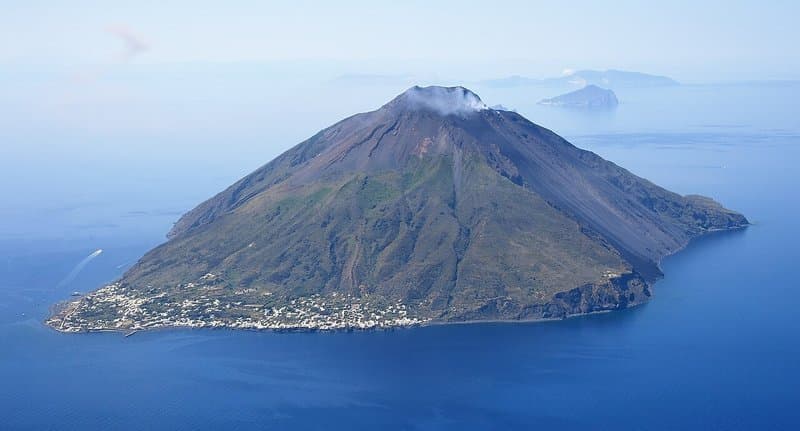
The Aeolian Islands are a volcanic archipelago of seven UNESCO World Heritage Sites, reachable from Milazzo (40 km from Messina) in 1-3 hours by hydrofoil. Lipari is the largest, with its acropolis and Archaeological Museum. Vulcano offers therapeutic sulfur mud baths and an active crater. Stromboli is famous for its nocturnal eruptions and the Sciara del Fuoco (Stream of Fire). Panarea is the most chic and sophisticated. Salina, Filicudi, and Alicudi are the wildest. Crystal-clear sea, fresh seafood, and Malvasia DOC wine.
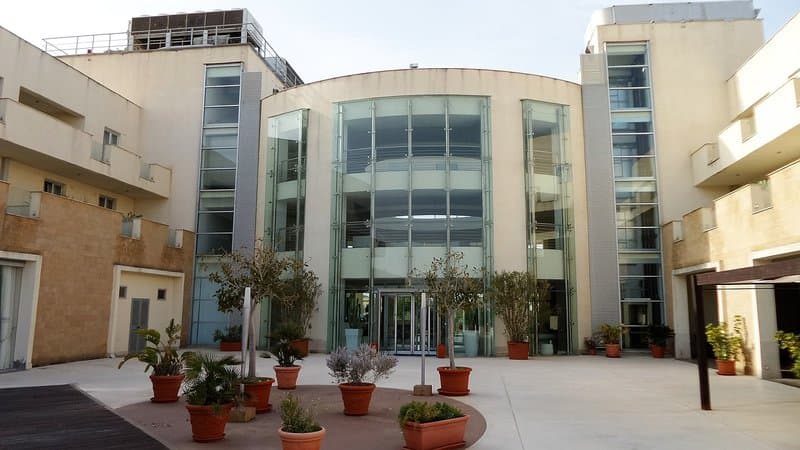
Cape Peloro is the northernmost point of Sicily, where the Tyrrhenian and Ionian Seas meet, 15 km from Messina. This promontory is characterized by the 36-meter-high Cape Peloro Lighthouse, the Ganzirri and Faro lakes—coastal lagoons and nature reserves—and the electricity pylon tower. Calabria seems within reach. Sandy and pebble beaches, seafood restaurants and specialties featuring mussels and clams farmed in the lakes. Spectacular sunsets over the Strait of Messina.