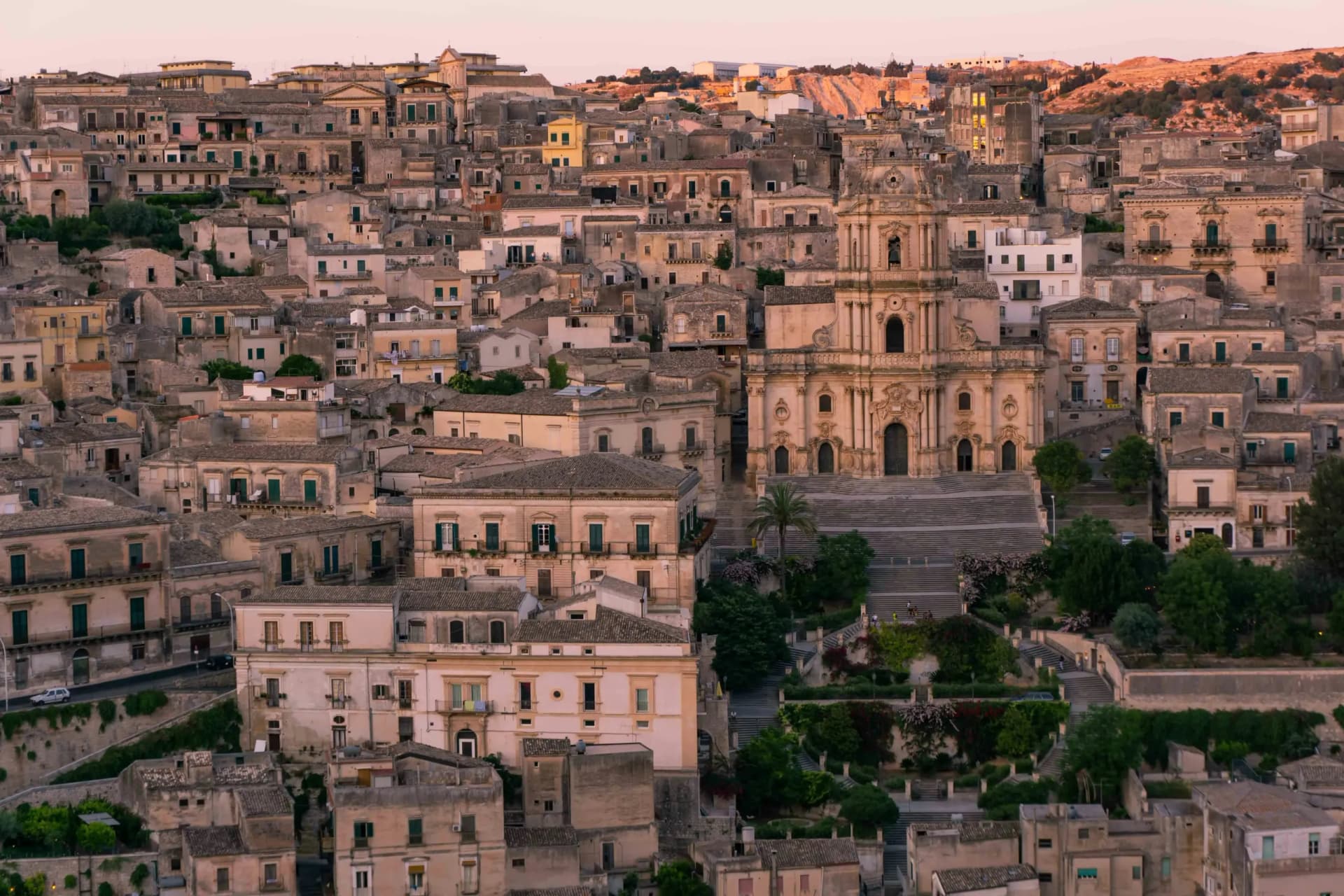
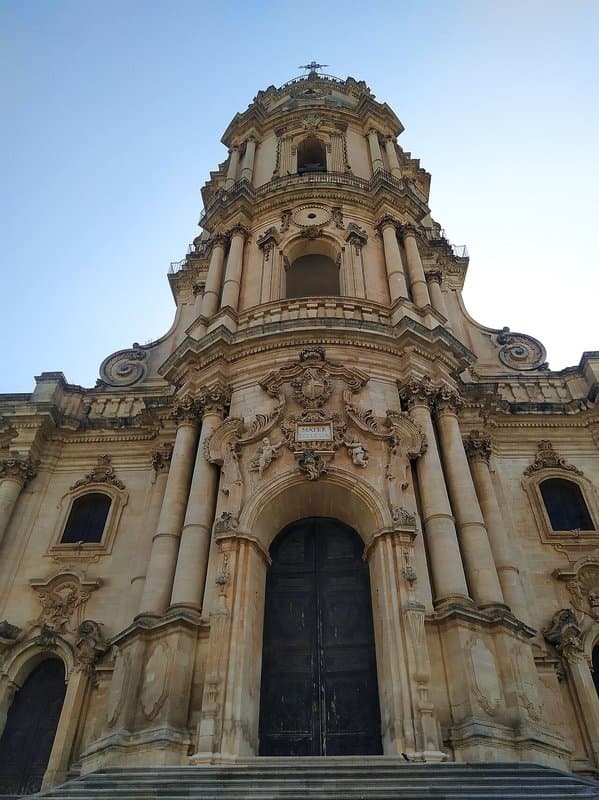
The Cathedral of San Giorgio is Modica's iconic monument and a masterpiece of Sicilian Baroque, a UNESCO World Heritage Site. Rebuilt after the 1693 earthquake to a design by Rosario Gagliardi, it stands majestically at the top of a dramatic 250-step staircase. Its five-tiered white limestone façade tower is considered among the most beautiful on the island. Inside, a 1573 polyptych by Bernardino Niger and a 19th-century sundial are featured. It's a must-see when illuminated at sunset, and has been the setting for numerous TV series.
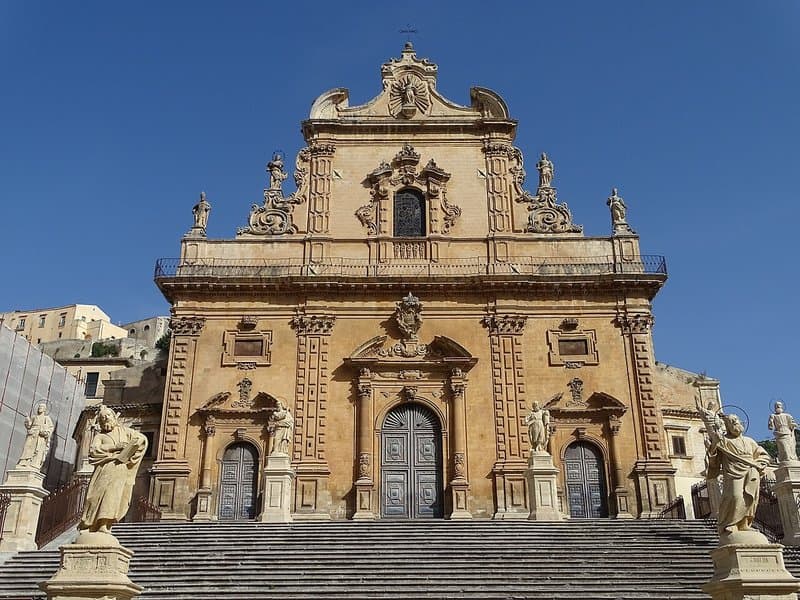
The Cathedral of San Pietro is the co-cathedral of Modica, located in the heart of Modica Bassa along Corso Umberto I. Dating back to the 14th century and rebuilt after the 1693 earthquake, it features a three-tiered Baroque façade preceded by a dramatic staircase flanked by white stone statues of the Twelve Apostles. The interior has three naves with marble altars, 18th-century paintings, and a silver statue of Saint Peter. Together with the Cathedral of San Giorgio, it defines the city's dual Baroque soul.
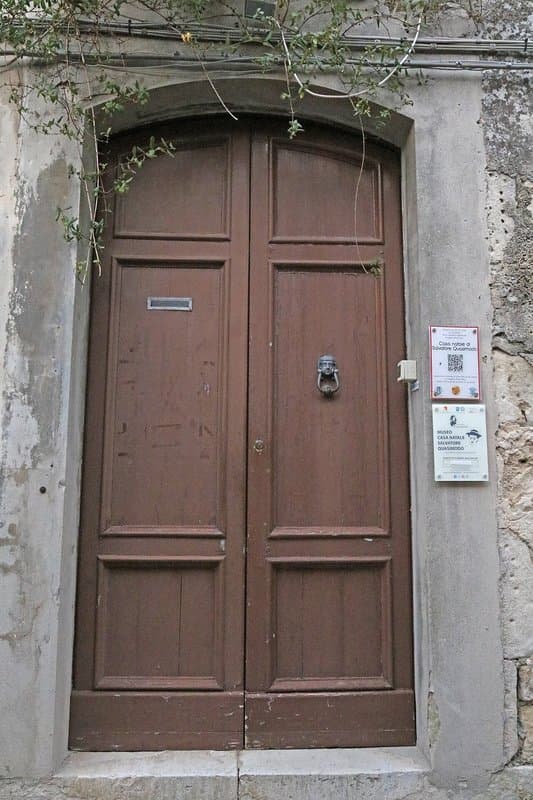
The Salvatore Quasimodo House Museum is located at Via Posterla 84, in the heart of Modica Bassa, where the poet, winner of the 1959 Nobel Prize in Literature, spent part of his youth. Preserved as it was in the 1920s, it houses books, original manuscripts, photographs, letters, and personal items of the author of "And Suddenly It Comes Evening." The guided tour allows visitors to retrace the poet's Sicilian education. It can be combined with a literary tour of Quasimodo's favorite places in Modica's historic center.
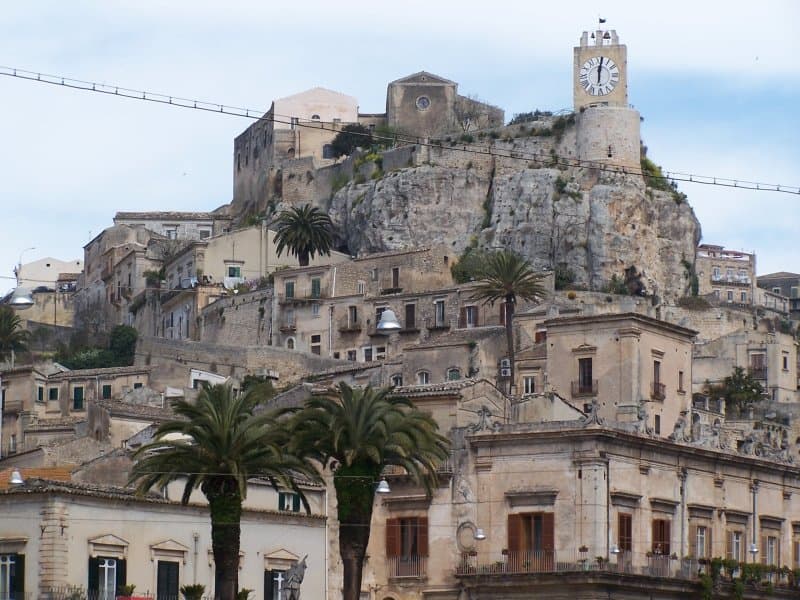
The Castle of the Counts of Modica dominates the historic center from atop a cliff, the ancient residence of the Counts of Modica, a lordship that ruled much of southeastern Sicily for centuries. Dating back to the 12th century, it preserves the Clock Tower, the city's symbol, and the remains of the medieval walls. Recently restored, it hosts temporary exhibitions and cultural events. The panoramic terrace offers breathtaking views of the maze of rooftops, stairways, and churches of Modica Bassa and Modica Alta.
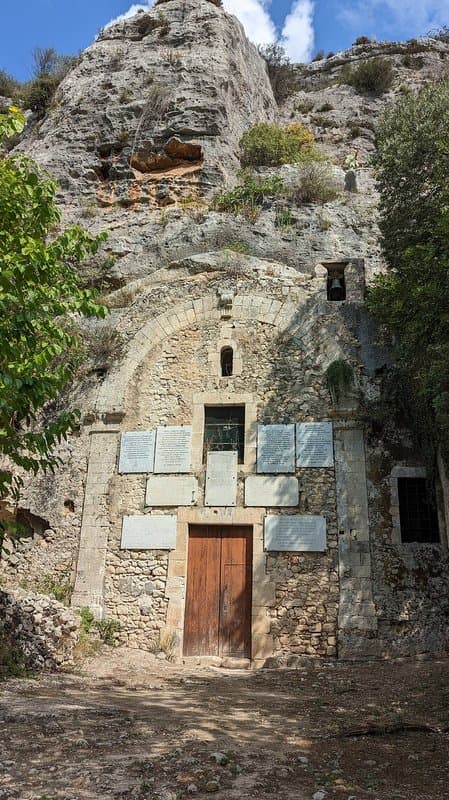
Cava Ispica is a 13 km long natural canyon between Modica and Ispica, carved by the Pernamazzoni stream in the Hyblaean Mountains. It is home to an extraordinary rock necropolis with over a thousand prehistoric, early Christian, and Byzantine tombs carved into the limestone rock. Worth visiting are the Larderia, a vast three-nave catacomb from the 4th century, the caves inhabited until the 18th century, and the frescoed rock oratories. An archaeological area with trails among carob trees, olive trees, and endemic Hyblaean flora.