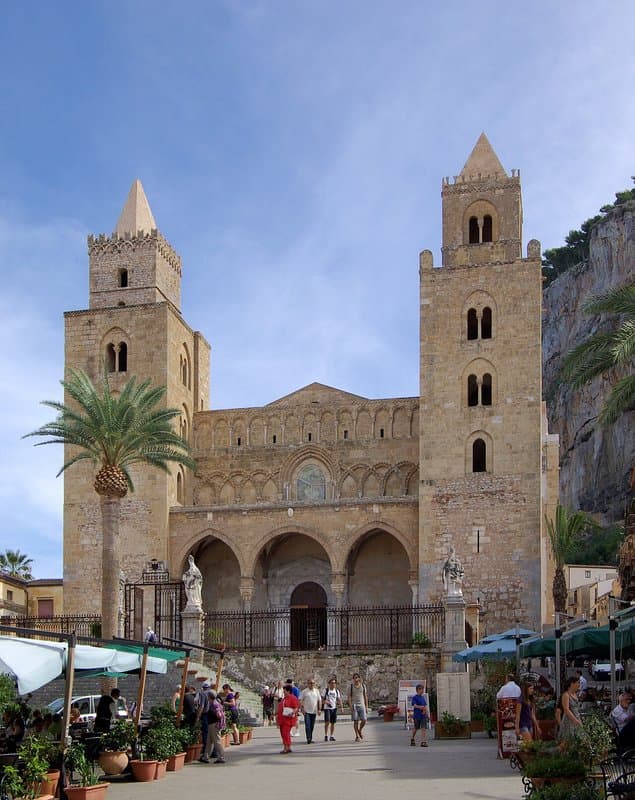
Cefalù Cathedral is a masterpiece of Arab-Norman art in Sicily, a UNESCO World Heritage Site since 2015. Founded in 1131 by Roger II as a votive offering to the Savior after surviving a storm, its imposing fortified façade features two Norman towers. The interior houses the famous Byzantine mosaic of Christ Pantocrator in the apse, a 12th-century masterpiece among the oldest and best preserved in the world. It stands majestically over the scenic Piazza Duomo, the heart of the medieval historic center.
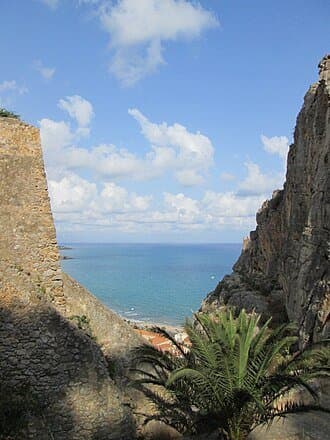
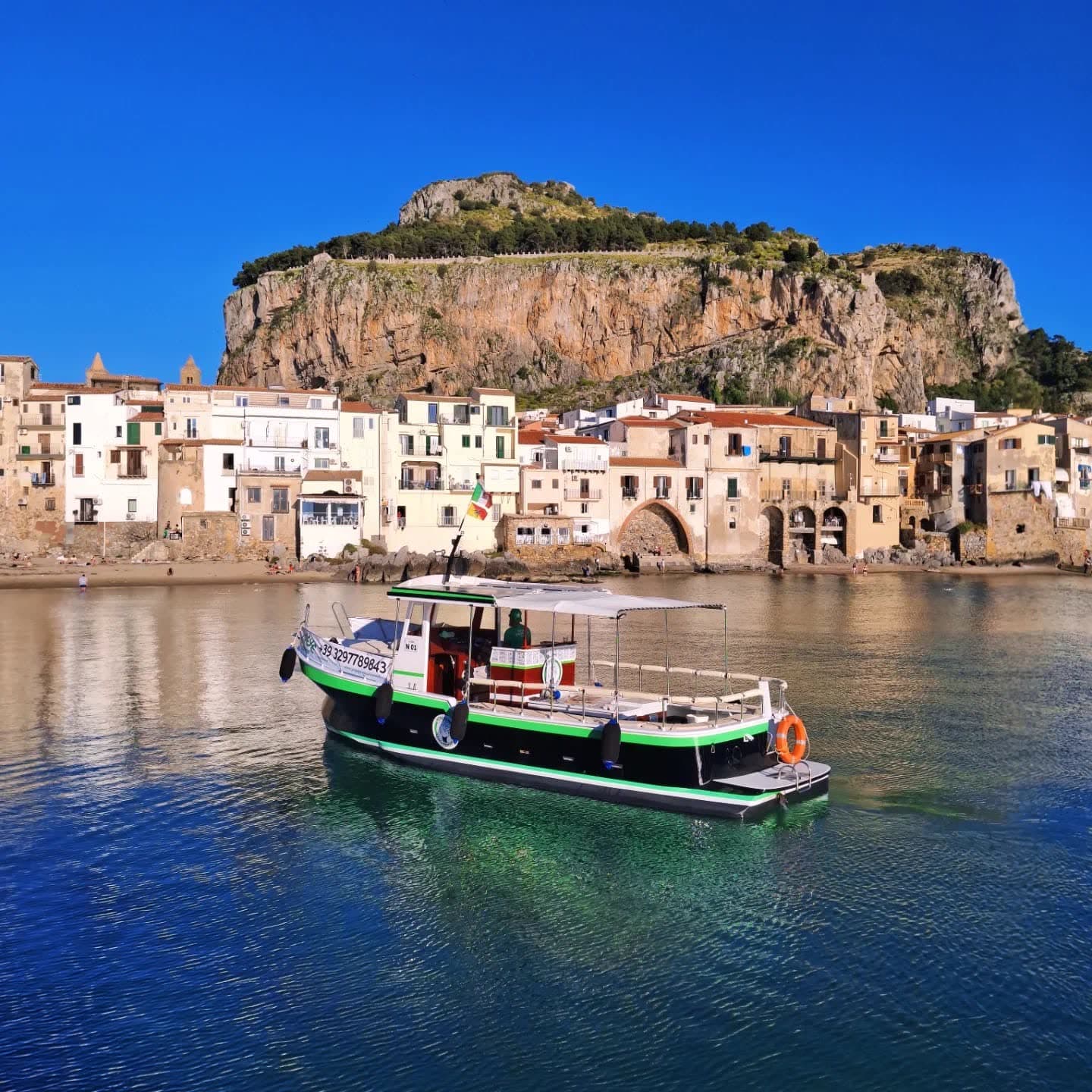
The Rocca di Cefalù is the 270-meter-high limestone promontory overlooking the town, reachable by a 45-minute hike along a paved path. Along the way, you'll encounter the megalithic Temple of Diana, the prehistoric cyclopean walls, and the remains of the medieval Norman castle. From the summit, there are breathtaking views of the cathedral, the red roofs of the historic center, the bay, and on clear days, the Aeolian Islands.
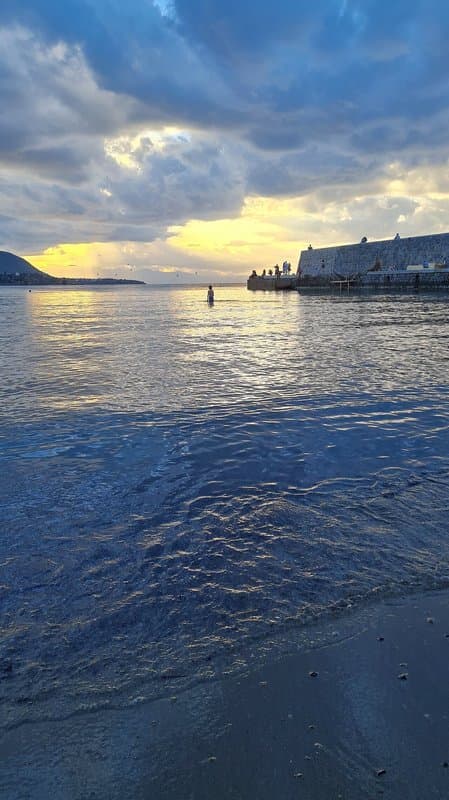
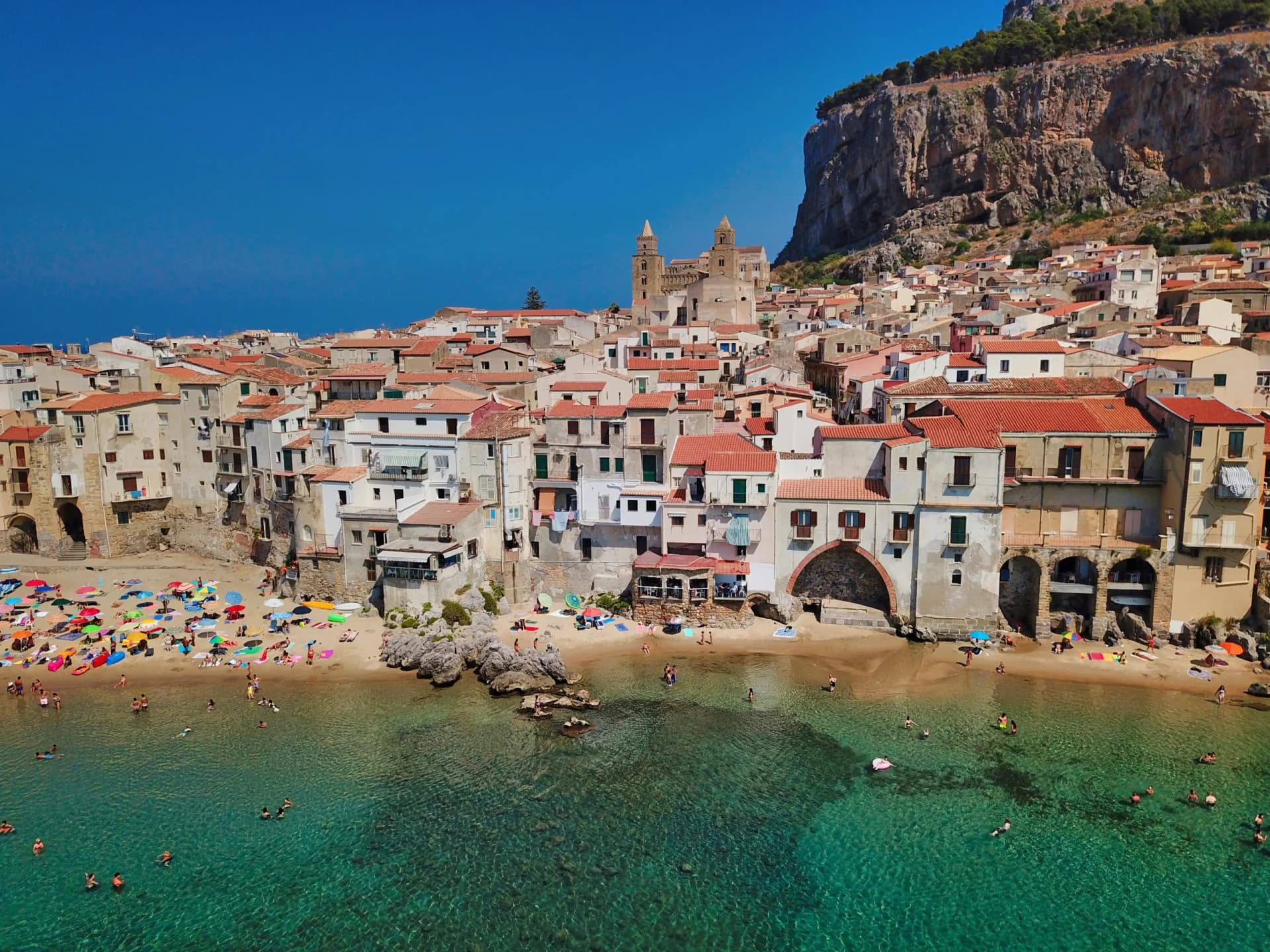
Cefalù Beach is one of the most beautiful and beloved in Sicily: 1.5 km of fine golden sand forming a perfect crescent at the foot of the historic center, with the Norman Cathedral and the Rocca in the background. Clear water and shallow waters are ideal for families and children. Awarded a Blue Flag, it offers alternating stretches of public beach and private beach clubs. An elegant promenade lined with palm trees, bars, and seafood restaurants, it was made famous by Giuseppe Tornatore's film Cinema Paradiso.
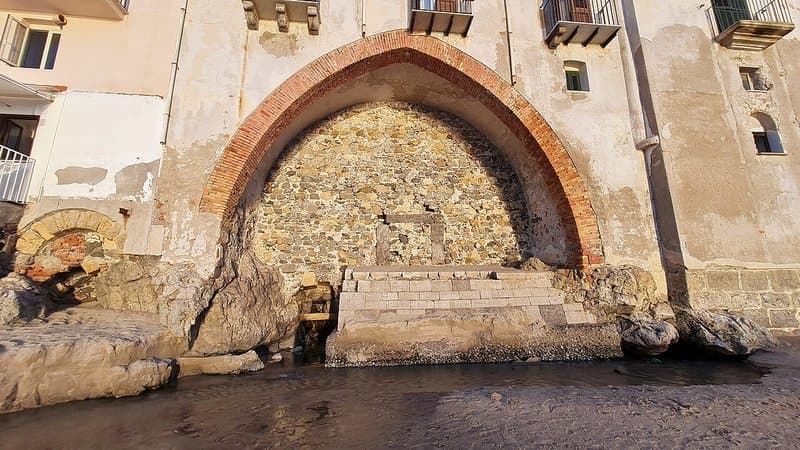
Cefalù's Medieval Washhouse is one of the most evocative spots in the historic center, located on Via Vittorio Emanuele. A lava stone staircase descends below street level to an ancient spring water source, used until the last century by Cefalù's women for laundry. The carved stone basins are fed by 22 cast iron lion-head-shaped spouts. The atmosphere is timeless, cool and shady even in summer.
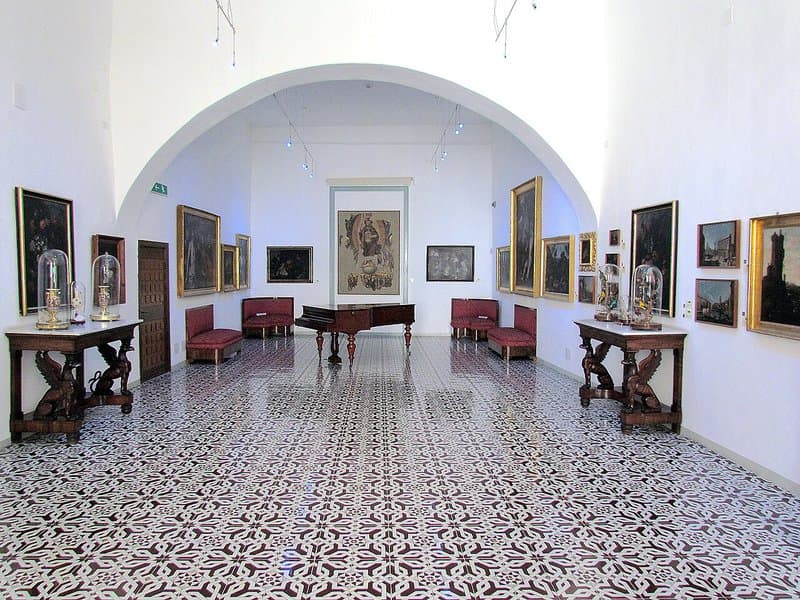
The Mandralisca Museum is Cefalù's civic museum, founded in 1866 in the palace of Baron Enrico Pirajno di Mandralisca. It houses the celebrated Portrait of a Man or Portrait of an Unknown Sailor, painted by Antonello da Messina around 1465, an absolute masterpiece of the Italian Renaissance and an icon of Sicilian painting. It also houses a rich collection of archaeological finds, ancient coins, shells, paintings, ceramics, and sacred art.
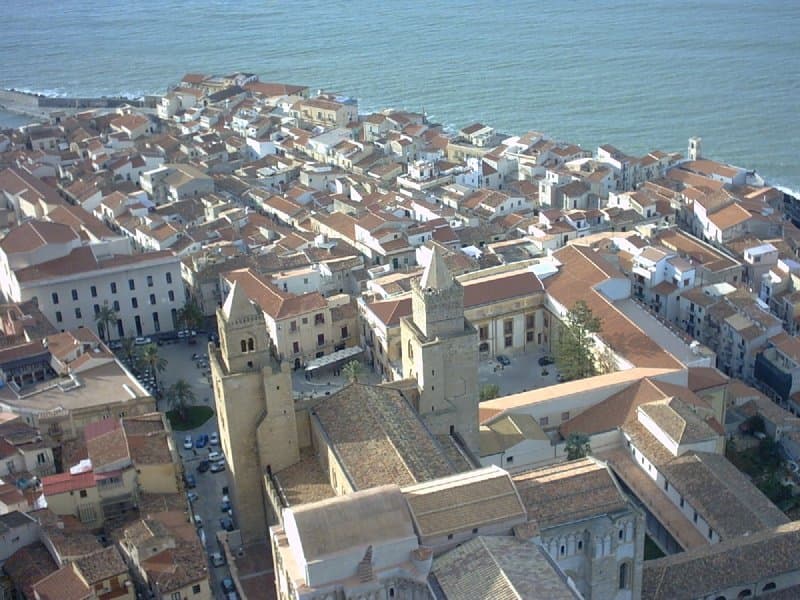
Cefalù's historic center is a medieval labyrinth of cobbled streets, arches, stairways, and porticoes nestled between the sea and the Rocca. From Corso Ruggero, the main shopping street, alleys branch off to the Old Port, the Postierla, and the Bastione di Capo Marchiafava, with its sheer views of the sea. Worth visiting are the Church of the Badia Vecchia, the Osterio Magno di Ruggero II, and Piazza Marina, the setting for the famous film Cinema Paradiso.