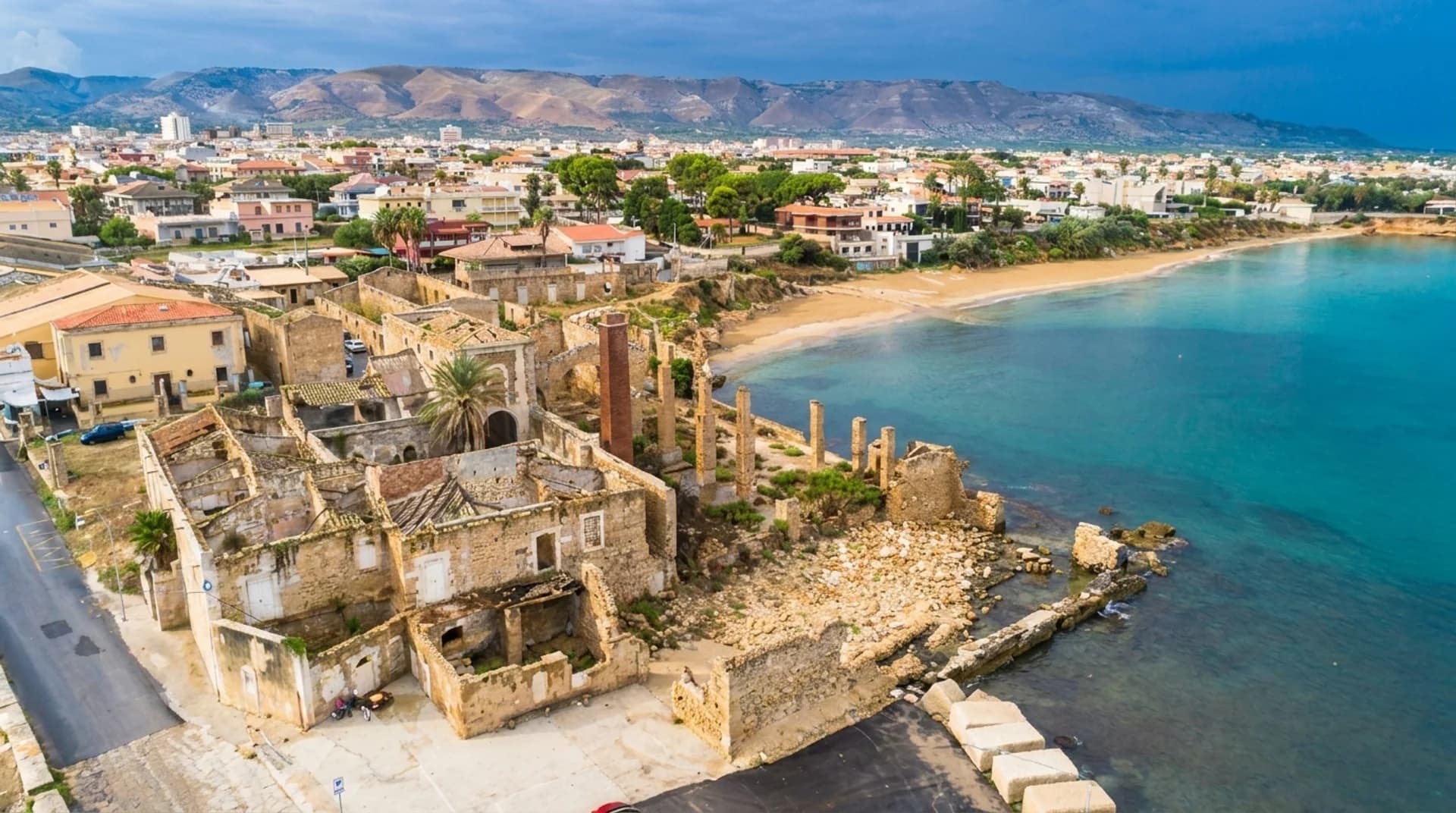
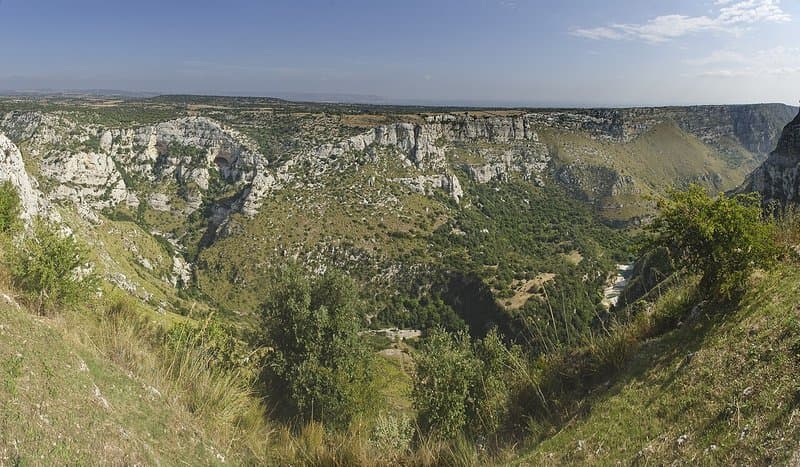
The Cavagrande del Cassibile Nature Reserve is a 300-meter-deep canyon carved by the Cassibile River in the Hyblaean Mountains. At the bottom of the gorge are the famous Avola Lakes: emerald-colored pools with natural waterfalls, perfect for summer swimming. A challenging one-hour descent along the Scala Cruci, with 1,500 steps carved into the rock, is a habitat for endemic flora and the prehistoric necropolis of Dieri.

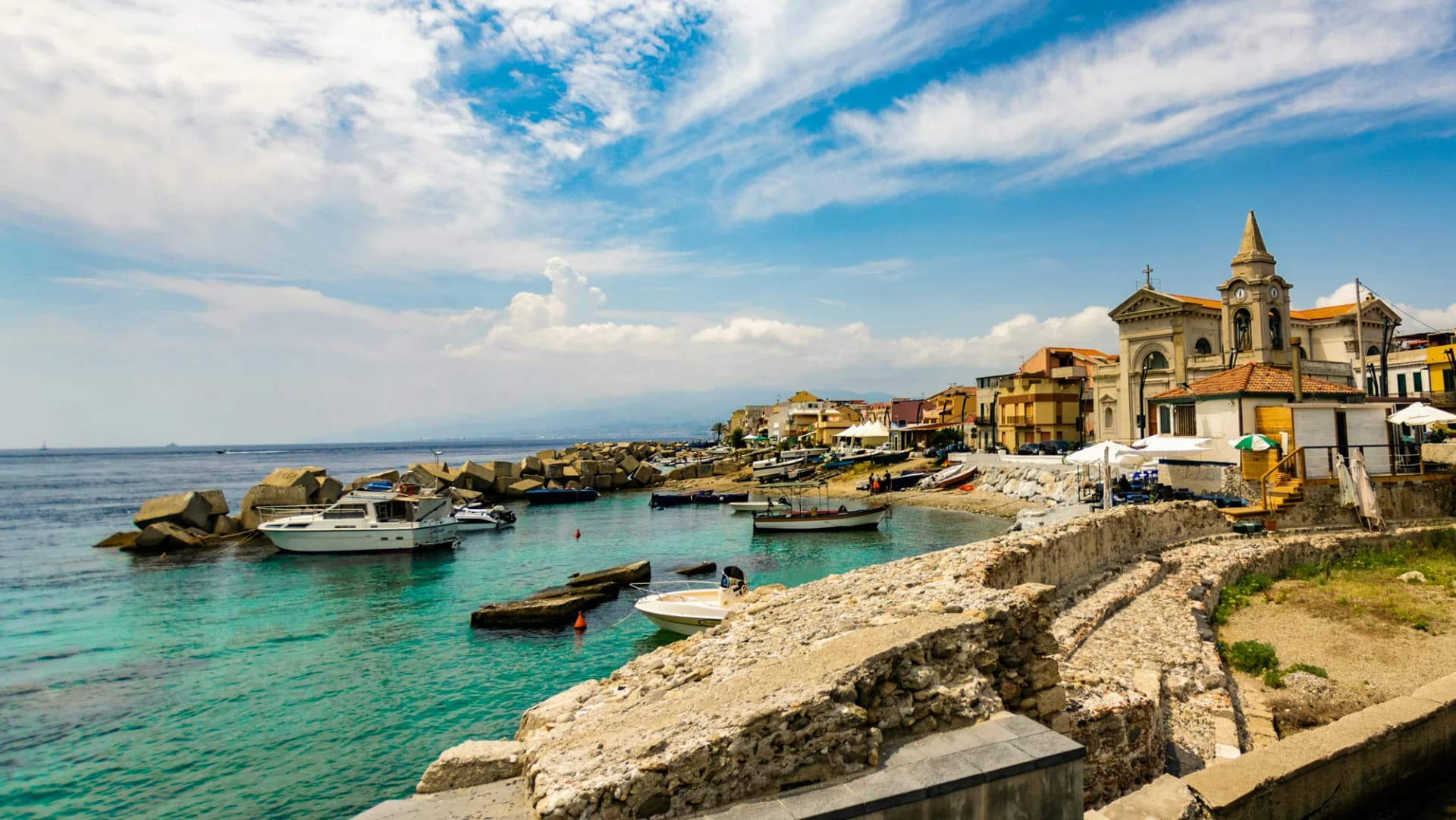
Avola Marina boasts 7 km of coastline with fine white sand and clear water, a Blue Flag beach for years. The main beach of Lido di Avola is easily accessible from the town center, with beach clubs, private beaches, and large public stretches. To the north are Calabernardo and Gallina, small coves between rocks and sand. To the south are Pantanello and Marchesa beach with protected dunes. The sea is suitable for families with children due to its shallow, sandy seabed.
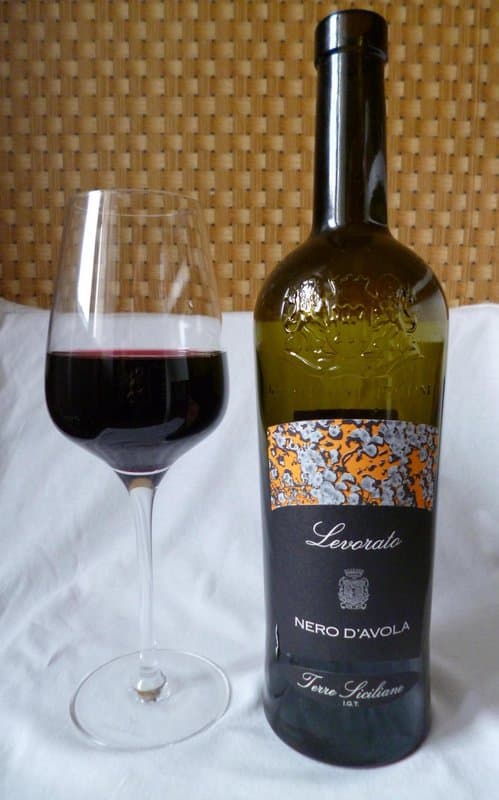
Nero d'Avola is Sicily's most iconic red grape variety, native to the Avola area. A full-bodied wine, with intense ruby red hues and notes of red fruit and spice, it pairs perfectly with Mediterranean cuisine. Wineries in the province of Syracuse organize wine tours with tastings in the vineyards stretching between the sea and the Hyblaean hills. Pair with meat dishes, aged cheeses, and Modica chocolate. The wineries along the Val di Noto Wine Route are not to be missed.
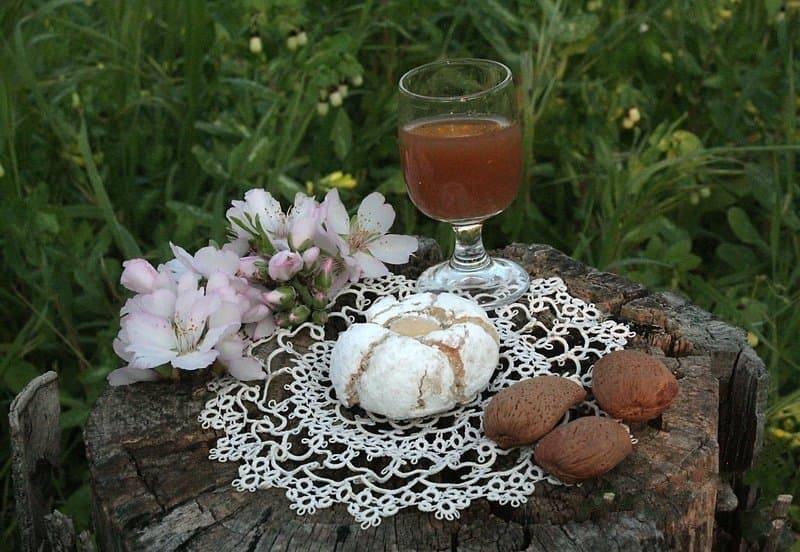
The Avola almond is considered the finest in the world for its intense aroma, elongated shape, and high oleic acid content. Cultivated in the Hyblaean Mountains, three varieties are available: Pizzuta, Romana, and Fascionello. It's a key ingredient in traditional Sicilian sweets: marzipan, frutta martorana, granita, almond milk, nougat, and biscotti ricci. Visit the almond groves in bloom between February and March, a natural spectacle of white petals.
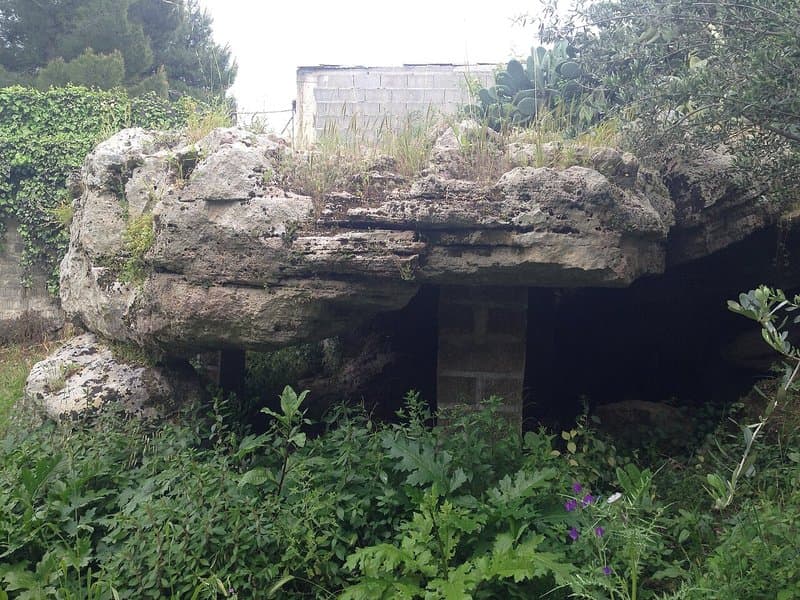
The Dolmens of Avola are megalithic monuments from the Eneolithic period (3rd millennium BC) located in the Cava dei Servi and Borgellusa districts. Built with large limestone slabs to form burial chambers, they are among the oldest in the Mediterranean and testify to the ancient human presence in the Iblei Mountains. They can be visited freely via marked trails among dry stone walls and ancient olive trees.