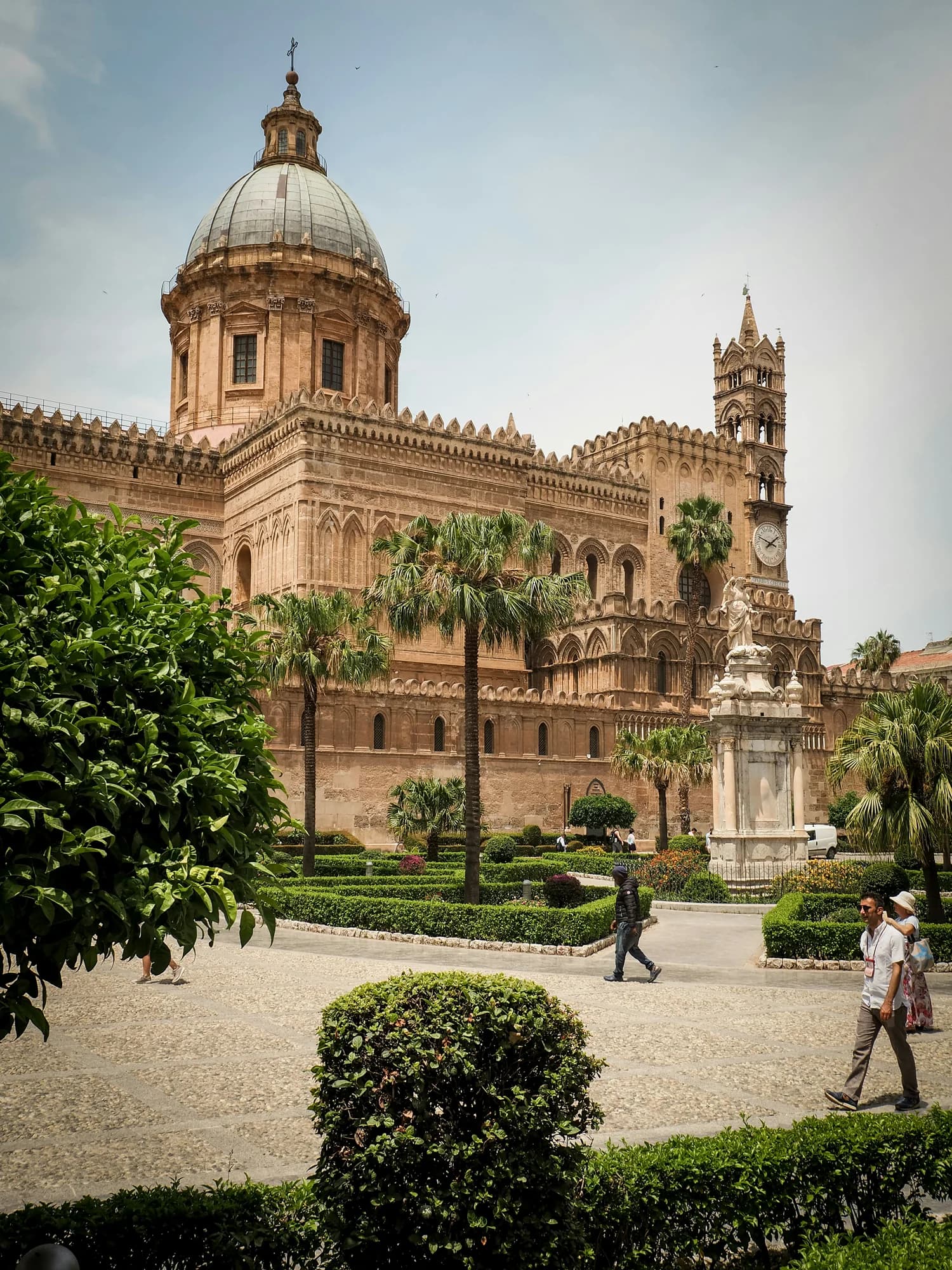
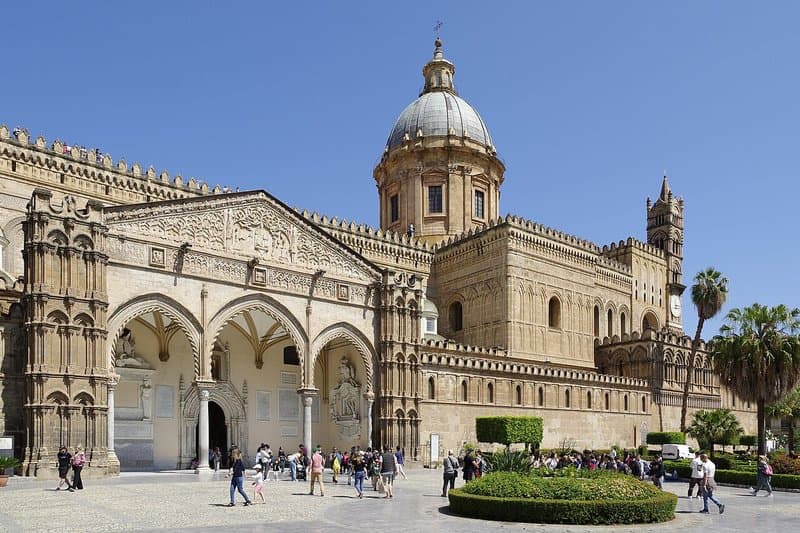
Palermo Cathedral is the city's religious symbol and a jewel of the Arab-Norman itinerary, a UNESCO World Heritage Site. Founded in 1184 on the ruins of a mosque, it blends Norman, Gothic, Baroque, and Neoclassical styles in a unique façade. Inside, it houses the royal tombs of Frederick II and Roger II, the Chapel of Santa Rosalia, patron saint of Palermo, and an impressive sundial on the floor. A visit to the panoramic rooftops with 360° views of the city is a must.
The Teatro Massimo Vittorio Emanuele is the largest opera house in Italy and the third largest in Europe. Inaugurated in 1897 in neoclassical style, it dominates Piazza Verdi with its imposing staircase, made famous by the final scene of The Godfather: Part III. Guided tours allow you to admire the 1,300-seat horseshoe-shaped auditorium, the Royal Box, and its legendary acoustics. Its top-notch opera season features opera, ballet, and symphony concerts year-round.
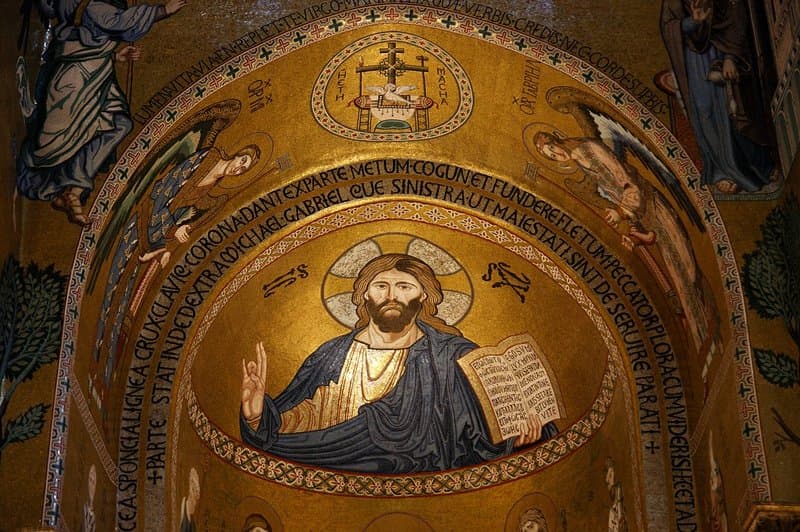
The Norman Palace is the oldest royal residence in Europe and the seat of the Sicilian Regional Assembly. Built by the Arabs in the 9th century and expanded by the Normans, it houses the Palatine Chapel, an absolute masterpiece of Arab-Norman art with golden Byzantine mosaics covering the walls and domes. Also worth visiting are the Royal Apartments, the Hall of Roger with its mosaic hunting scenes, and the gardens. A must-see on the UNESCO itinerary of Palermo.
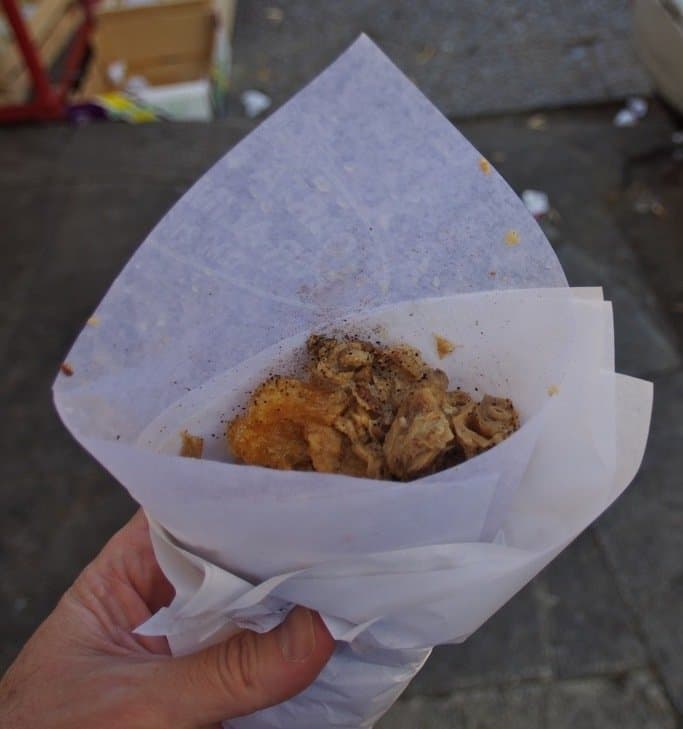
Ballarò Market is Palermo's oldest and liveliest historic market, the beating heart of the Albergheria neighborhood. Amid vendors shouting in dialect (the abbanniate), stalls selling fresh fish, fruit, and spices, here you can sample authentic Sicilian street food: pani ca' meusa, arancini, panelle, sfincione, and stigghiola. The authentic, colorful, and popular atmosphere is reminiscent of Arab souks. Open from morning until late afternoon, it's an unmissable experience for true food lovers.
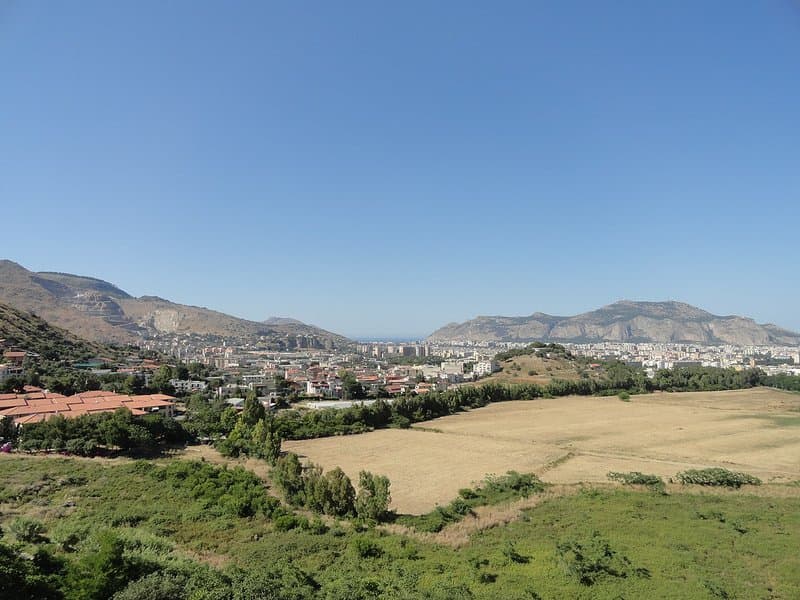
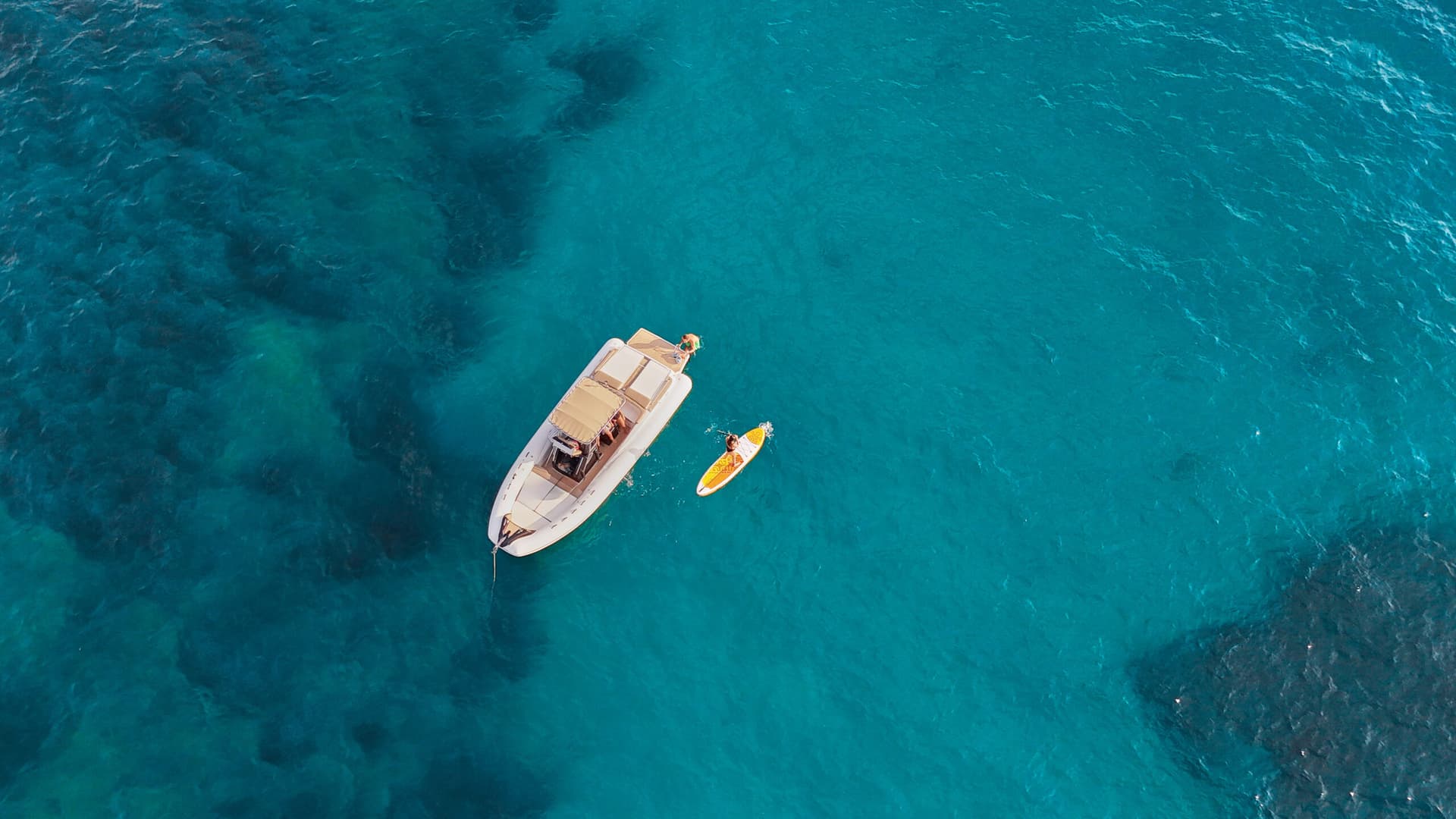
Mondello is Palermo's iconic beach, a crescent of fine white sand and clear turquoise water nestled between Monte Pellegrino and Monte Gallo. Just 11 km from the city center, it can be reached by bus or car in 20 minutes. The iconic Art Nouveau Charleston beach club, built in 1913, overlooks the sea. Perfect for swimming, sunbathing, or enjoying granitas and arancini at the waterfront kiosks, Mondello is a beloved destination for locals and tourists alike, offering relaxation and summer entertainment.
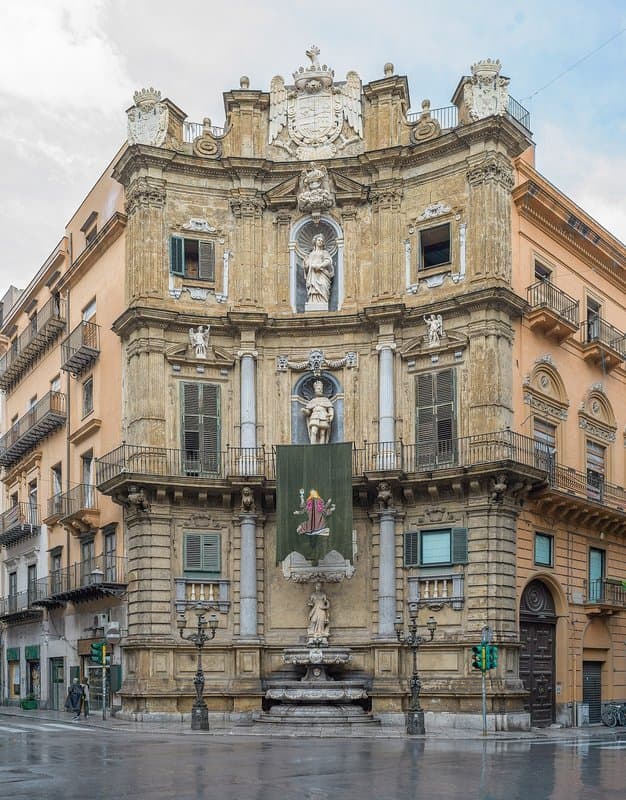
The Quattro Canti, officially Piazza Vigliena, is Palermo's most famous Baroque crossroads, where Via Maqueda and Corso Vittorio Emanuele intersect. Built in 1620, they divide the historic center into the four ancient districts. The four concave, theater-like facades feature fountains with allegories of the seasons, statues of the Spanish kings, and the city's patron saints. An ideal starting point for exploring historic Palermo on foot, with guided tours and iconic photographs.