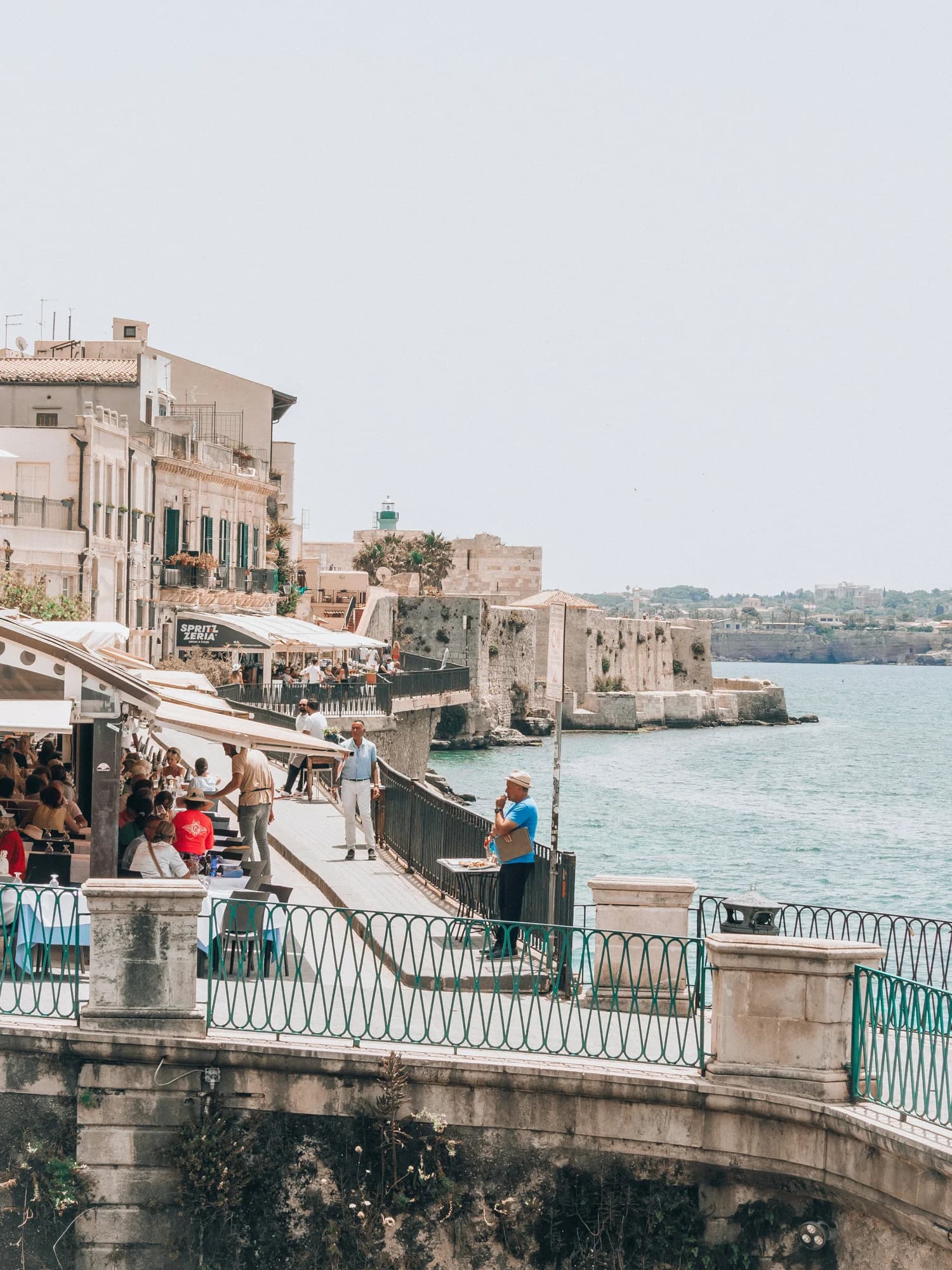
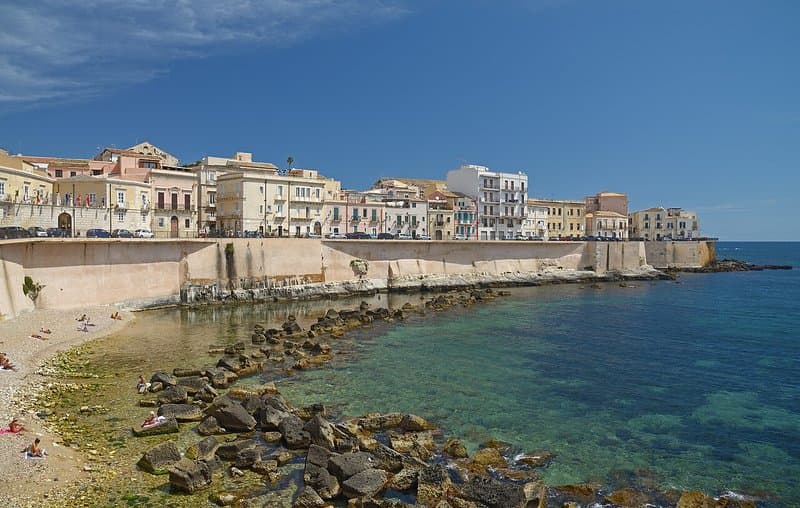
Ortygia is the historic island of Syracuse, a UNESCO World Heritage Site, connected to the mainland by three bridges. The heart of Greek Syracuse, founded in 734 BC, it encompasses a unique cultural stratification within 1 km²: the Temple of Apollo, the Baroque cathedral built over the Temple of Athena, the Arethusa Fountain with its papyrus, Maniace Castle, and medieval alleys lined with noble palaces. A magical atmosphere at sunset, seafood restaurants along the waterfront, and the Ortygia Market. Explore on foot at your leisure.
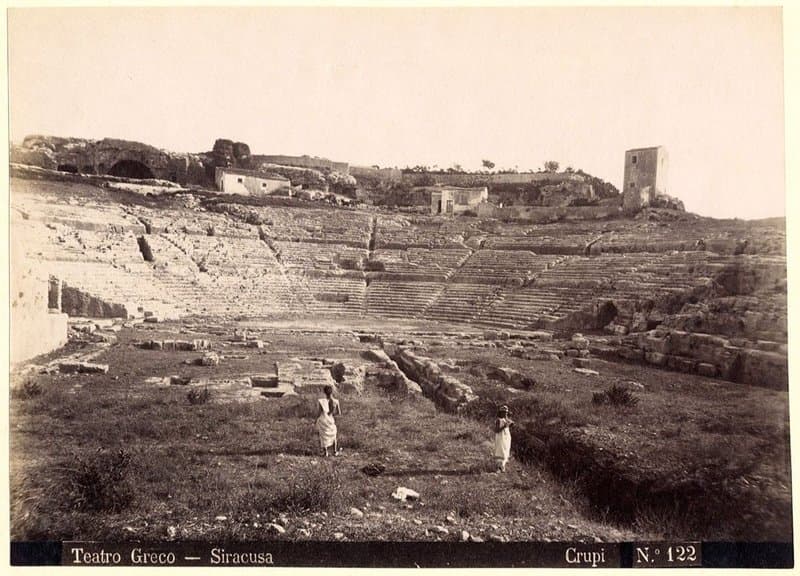
The Greek Theatre of Syracuse is one of the largest and best-preserved of the ancient world, carved out of the rock in the 5th century BC. Originally seating 15,000 spectators, it hosted the premieres of Aeschylus. Since 1914, it has hosted the INDA International Classical Theatre Festival, featuring tragedies by Sophocles, Euripides, and Aeschylus. It is located in the Neapolis Archaeological Park, along with the Ear of Dionysius, the Roman Amphitheater, and the Latomie del Paradiso.
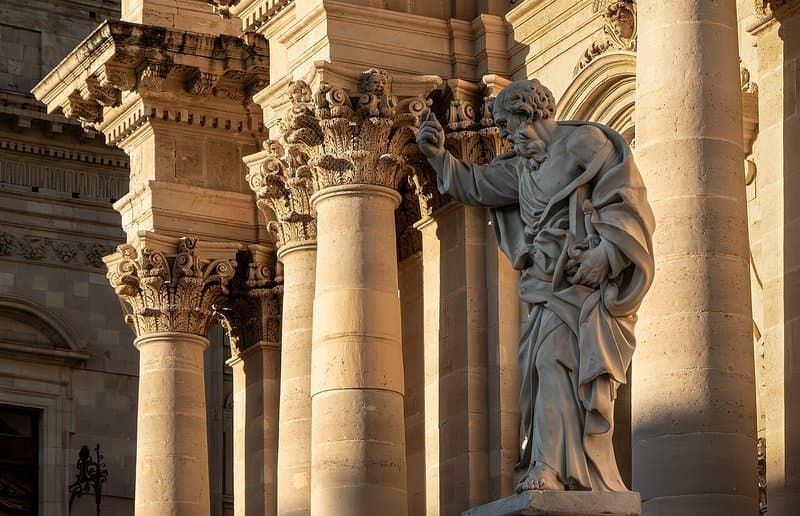
The Cathedral of Syracuse is a unique masterpiece: a Baroque cathedral built by incorporating the Greek Temple of Athena from the 5th century BC. The original Doric columns are still visible in the walls. The 18th-century Baroque façade by Andrea Palma is one of the pinnacles of Sicilian Baroque. Inside are Byzantine mosaics, Renaissance works, and the Chapel of Saint Lucy, patron saint of Syracuse. It overlooks the scenic Piazza Duomo in Ortigia, one of the most beautiful in Italy.
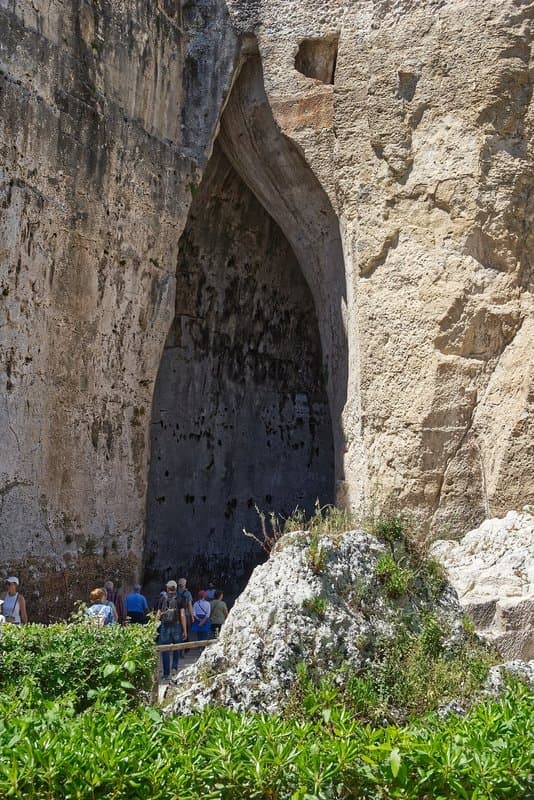
The Ear of Dionysius is a spectacular 23-meter-high artificial cave carved into the limestone rock of the Latomie del Paradiso, in the Neapolis Archaeological Park. The name was coined by Caravaggio in 1608 for its auricular shape and the legend that the tyrant Dionysius I imprisoned opponents there to listen to their whispers thanks to the exceptional acoustics. Visitable along with the Greek Theater and the Roman Amphitheater, it is one of the most photographed attractions in Syracuse.
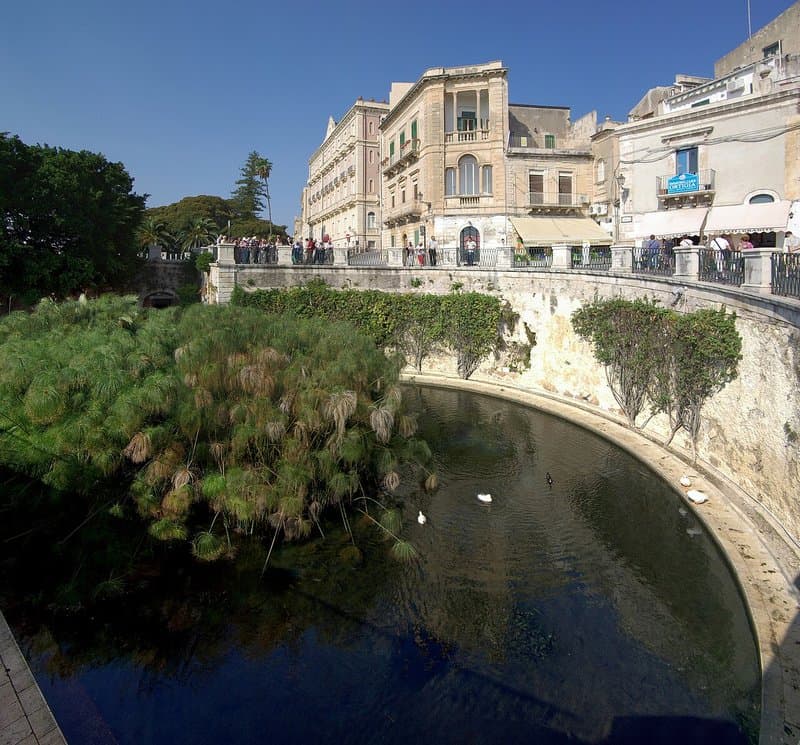
The Fountain of Arethusa is a natural freshwater spring that flows on the Ortygia waterfront, just meters from the salty sea, a unique geological phenomenon in the Mediterranean. According to Ovidian myth, the nymph Arethusa was transformed into a spring by Artemis to escape the river Alpheus. A circular body of water populated by fish, ducks, and the only spontaneous colony of papyrus in Europe, imported by the Arabs. A romantic spot at sunset, it is also mentioned by Cicero, Virgil, and Pindar.
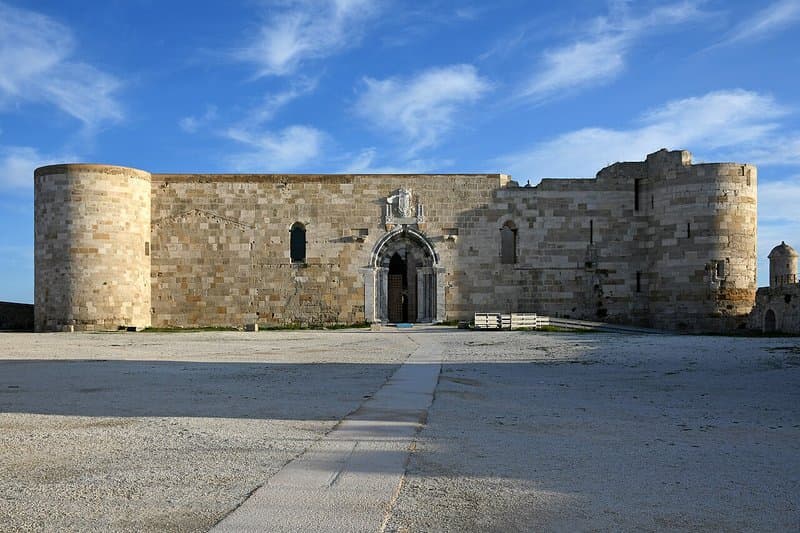
Castello Maniace stands on the southern tip of Ortygia and is one of the finest examples of military architecture from the time of Frederick II. Built between 1232 and 1240 by order of Frederick II of Swabia, it takes its name from the Byzantine general Giorgio Maniace. Its square layout features four corner towers and an imposing Gothic portal. Inside, rooms with pointed vaults and a splendid view of the open sea. A must-see stop on any tour of Ortygia, perfect for evocative photographs at sunset.